Rescuing Time
Following his arrival in California in 1968, Jorge Geisse immediately integrated into the vibrant Los Angeles art scene, consolidating an exceptional reputation not only as a visual creator but as one of the most rigorous restorers and appraisers of his time. His deep understanding of the materiality of art, the chemistry of pigments, and the history of objects allowed him to breathe new life into invaluable pieces, collaborating with the most prominent institutions, collections, and figures on the West Coast of the United States.
High Restoration and Private Collections
The core of his restoration career developed in the spaces with the highest technical demands in the art circuit.
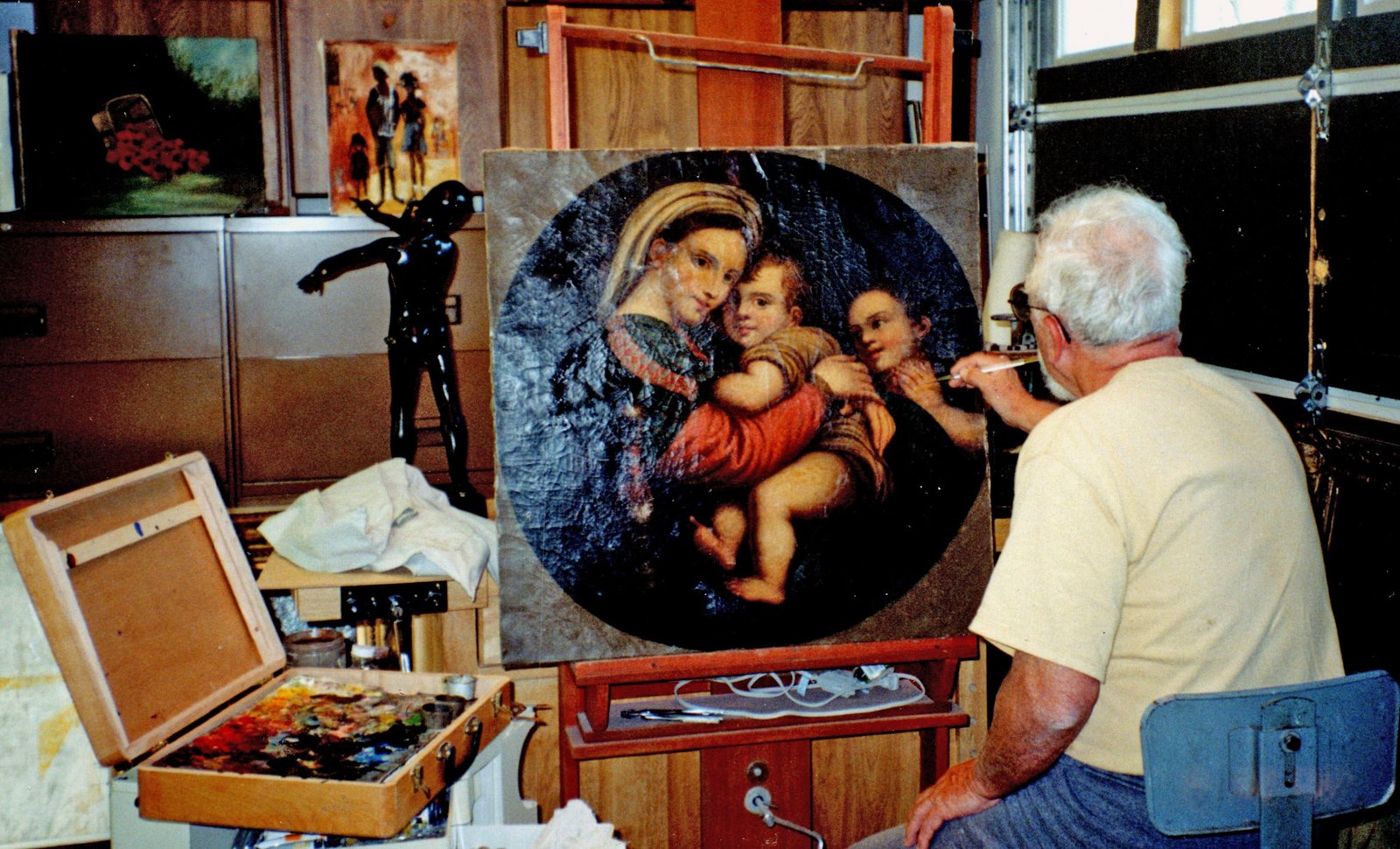
Geisse worked as an art restorer for numerous top-tier public and private collections, achieving milestones of great relevance:
- The Getty Museum: Where his expertise led him to serve as head of conservation, preserving and treating works from the permanent collection.
- The Gianni Versace Collection: A space where his aesthetic sensibility aligned with the world of high-end private collecting.
- Academic and Cultural Institutions: He served as a specialist conservator for the Huntington Gardens and the Regents of the University of California (UC).
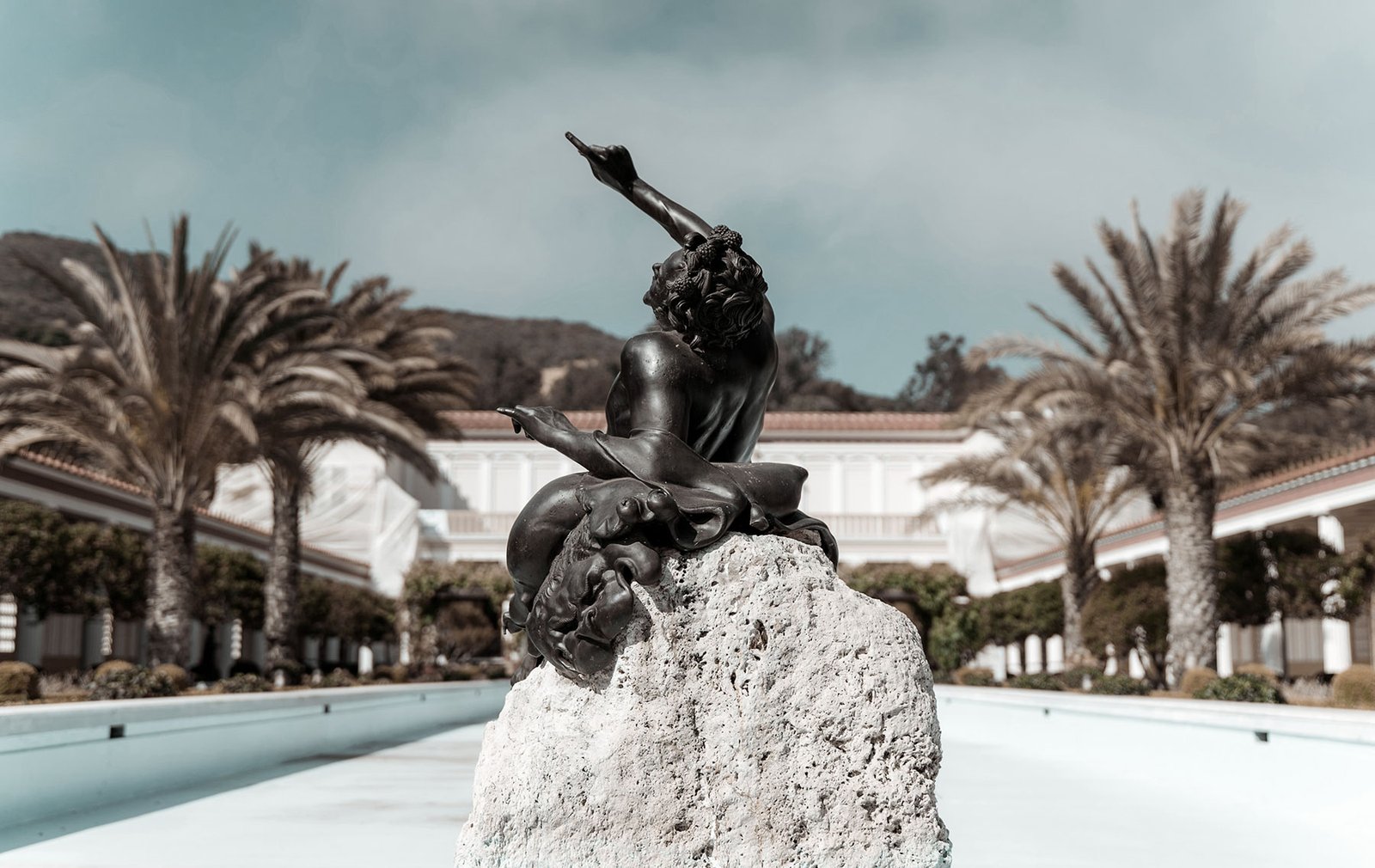
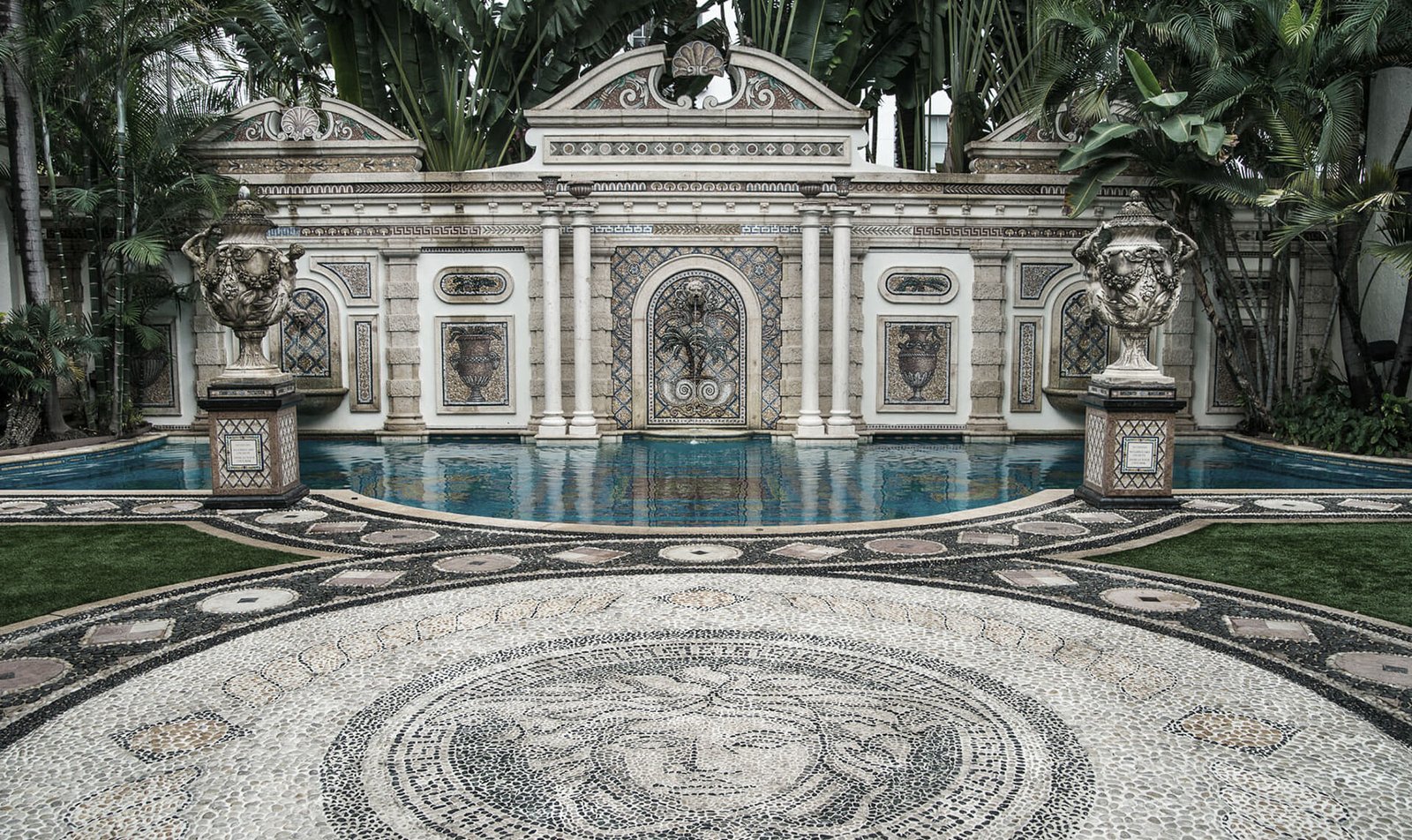
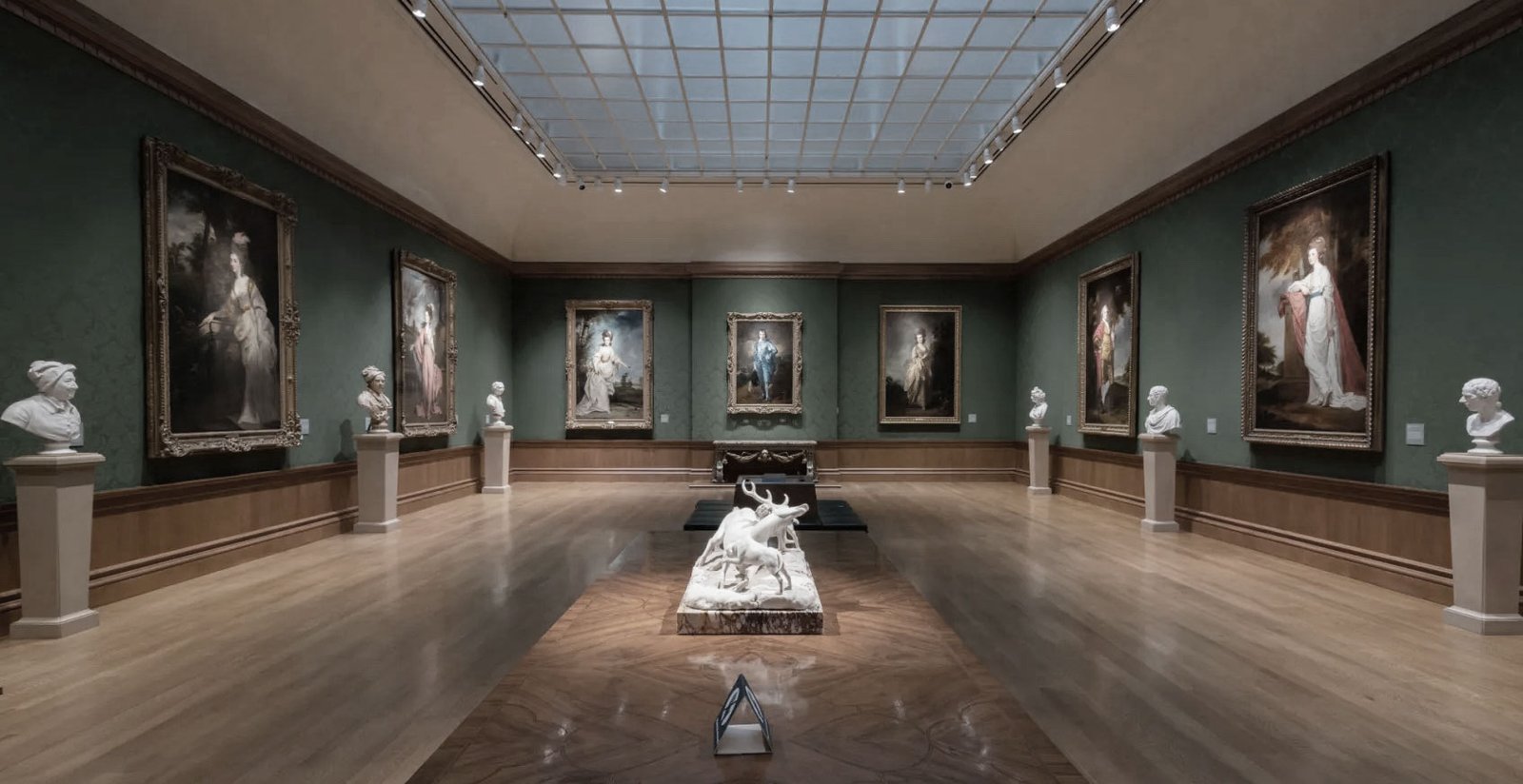
His private client portfolio included collectors of the stature of the Shah of Iran, and outstanding personalities of North American culture and entertainment such as Johnny Carson and Jonathan Winters. Likewise, his services extended consistently to high-profile interior decorators, prestigious auction houses, and private collectors throughout the greater Los Angeles metropolitan area.
Antiques, Porcelain, and Geopolitics
Geisse’s work in the 70s and 80s was highly interconnected with the historical and geopolitical developments that transformed art collections in the United States. His studio became a convergence point for pieces of origins as diverse as they were complex:
- Trade Liberalization with China (1972): Shortly after President Nixon’s historic trip to China, the Chinese government began exporting high-quality antique porcelain to the West. Since these were extremely valuable pieces that were often damaged during transport, importers found in Geisse the ideal specialist to restore these works of art to their original condition.
- The Exodus of the Iranian Revolution (1979): The arrival in Los Angeles of wealthy Persian families brought with it a substantial volume of family heirlooms and antiques that had adorned their homes for centuries. The need to restore and prepare these pieces after the move kept the artist intensely busy in the early 1980s.
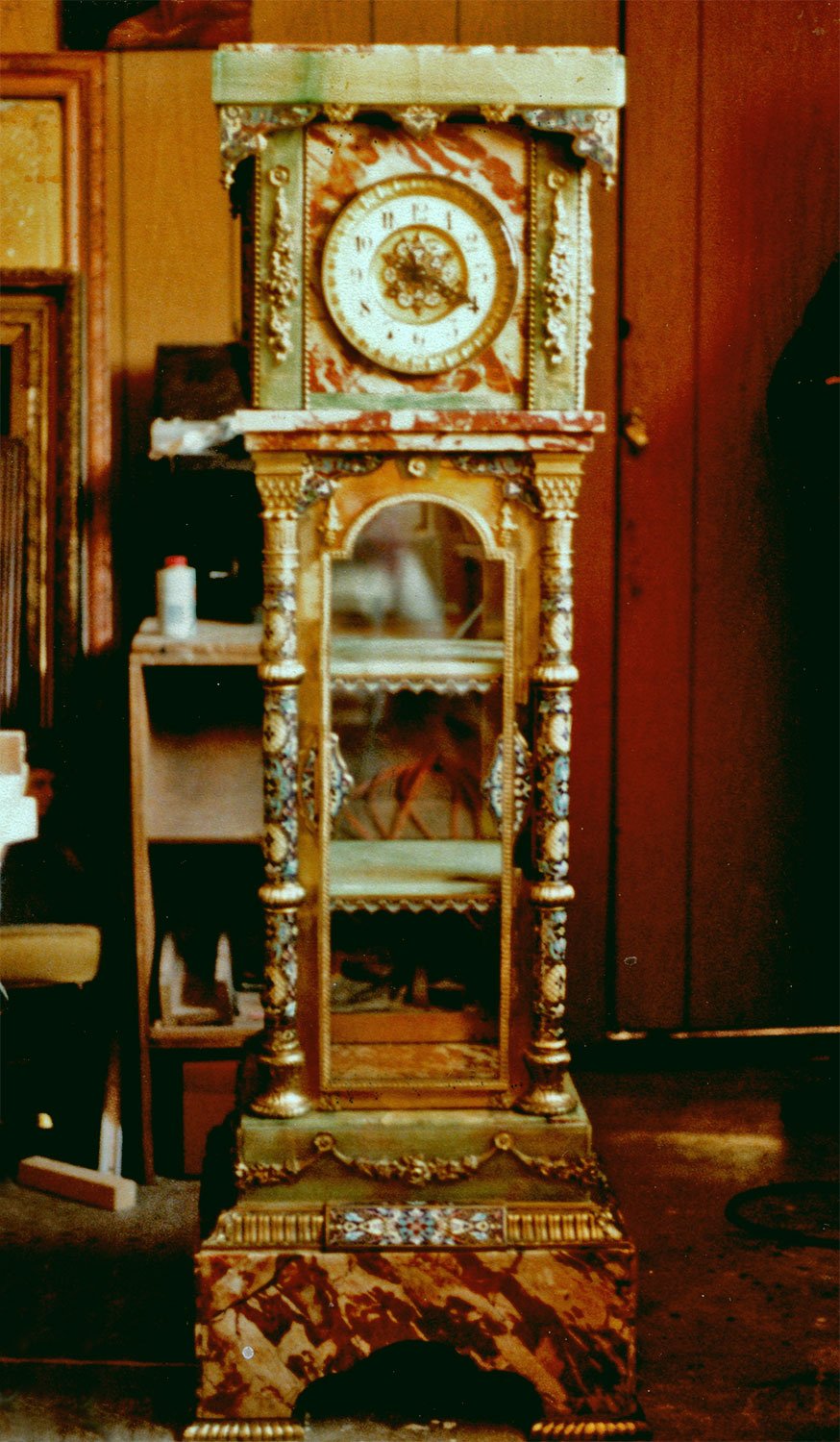
- Antique Metalwork and Watchmaking: In his early days, working in collaboration with Cordier’s Antiques, he demonstrated remarkable technical versatility in repairing severely damaged pieces of fine metalwork and antique watch mechanisms.
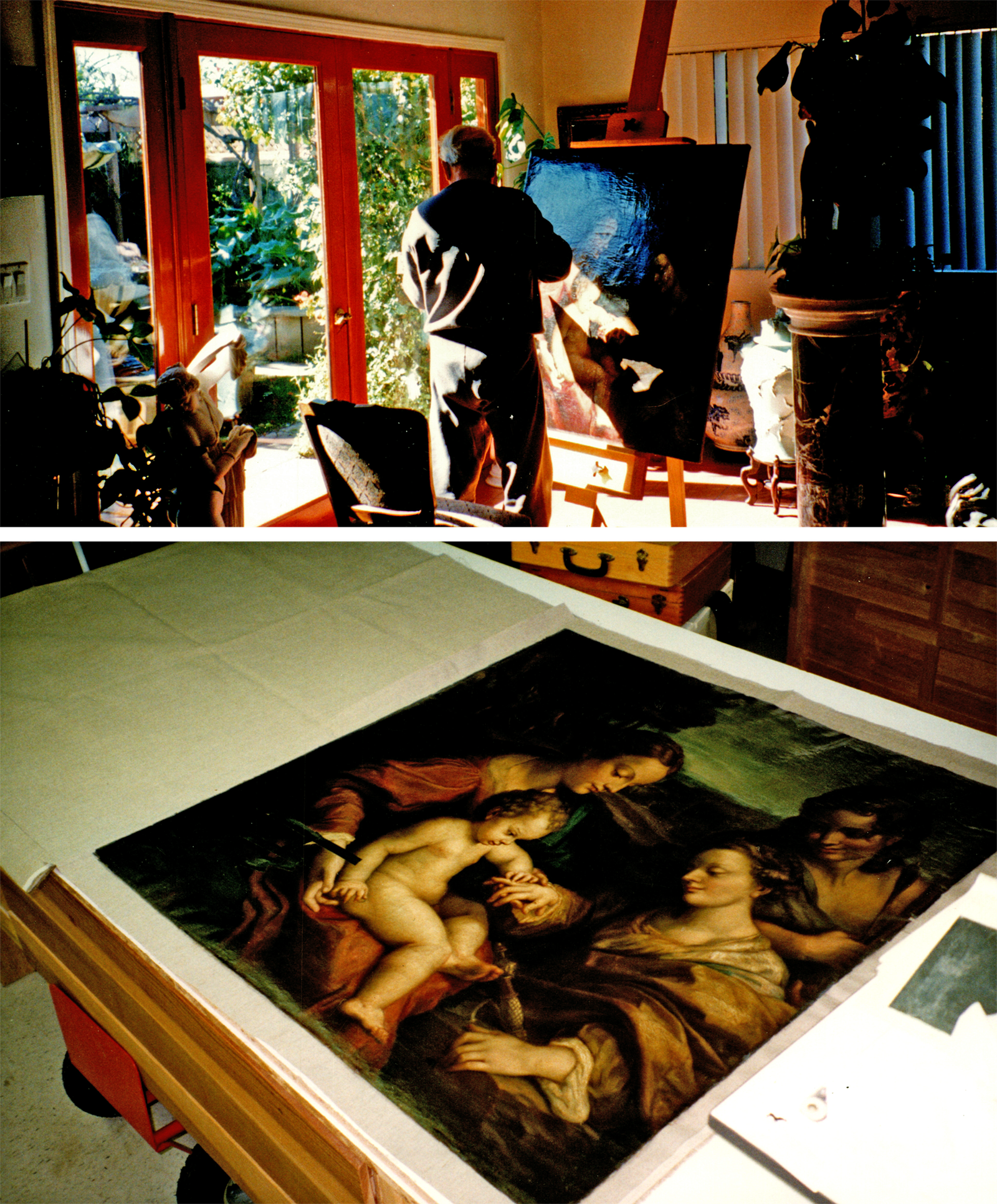
In the Studio: Registration and Conservation
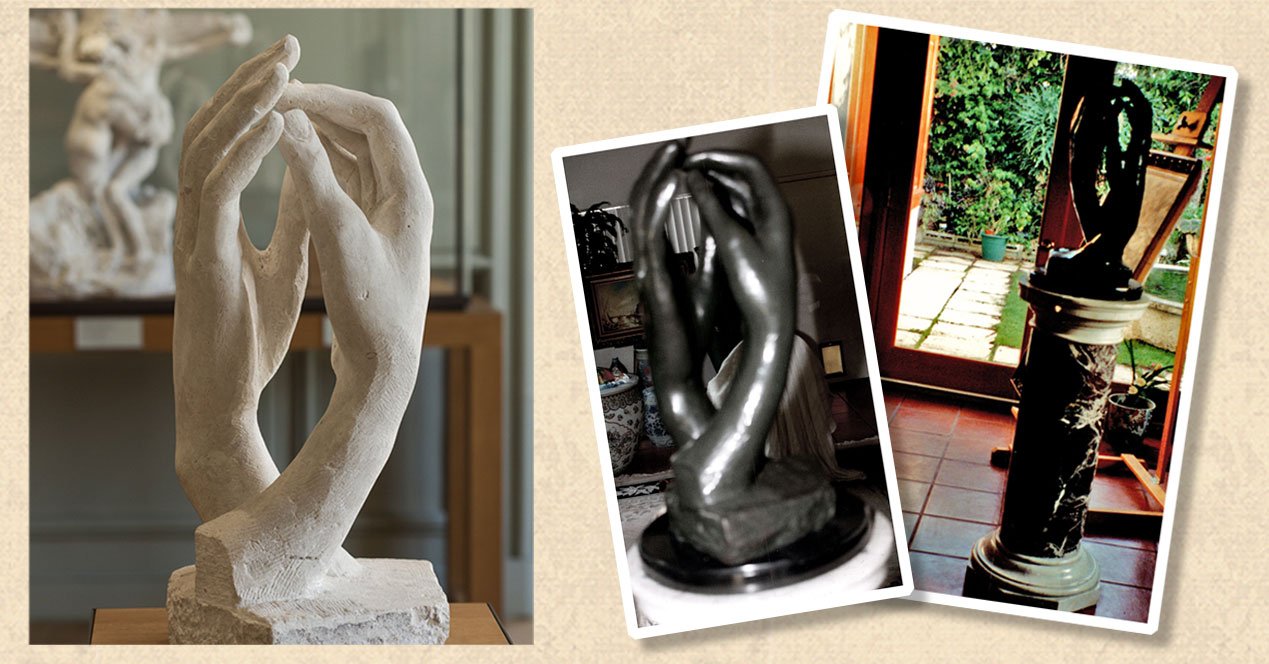
On the right, the masterpiece La Cathédrale by Auguste Rodin captured in its original state of exhibition at the Rodin Museum. Next to it, photographic records from the studio’s archive in Los Angeles of the numbered 7/50 bronze replica, signed by Rodin himself during his documentation and prior study process. A testimony to the caliber and trust placed in Geisse.
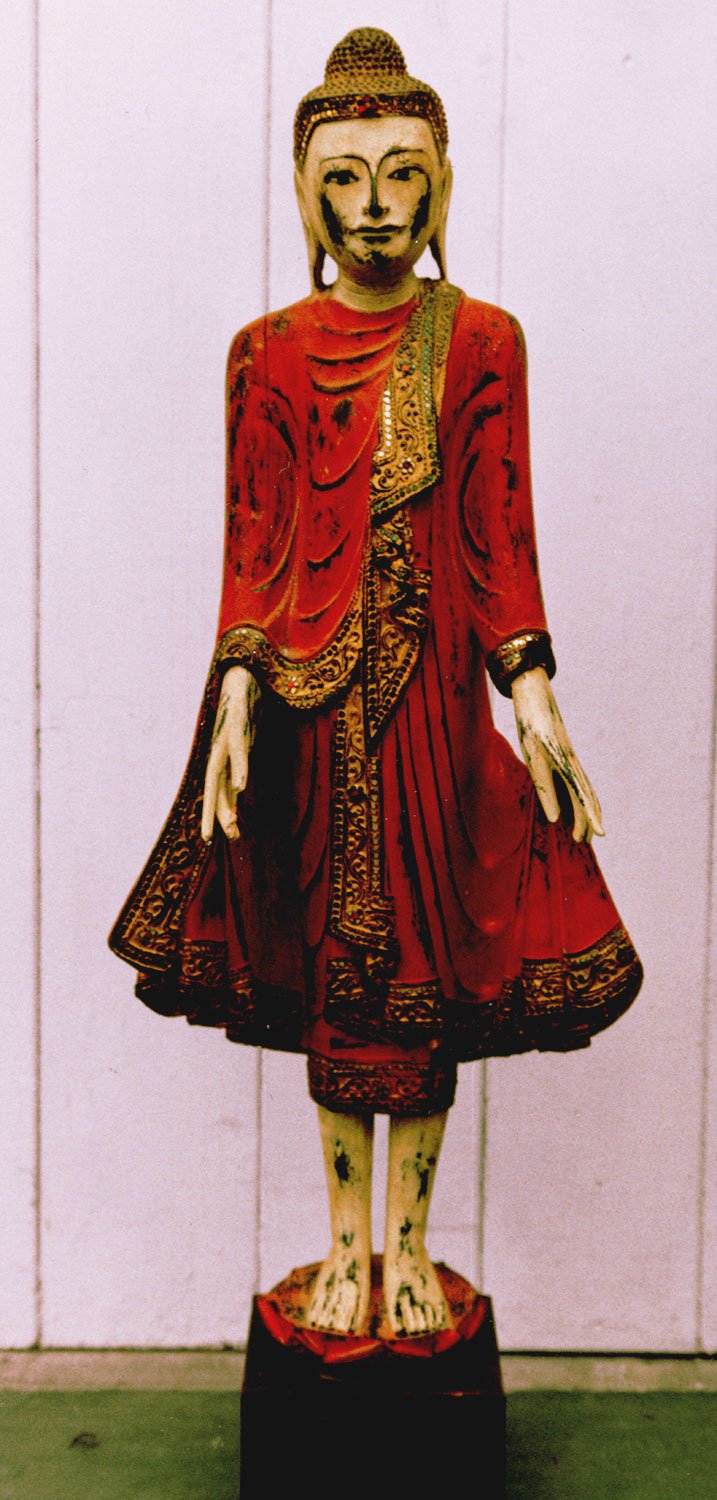
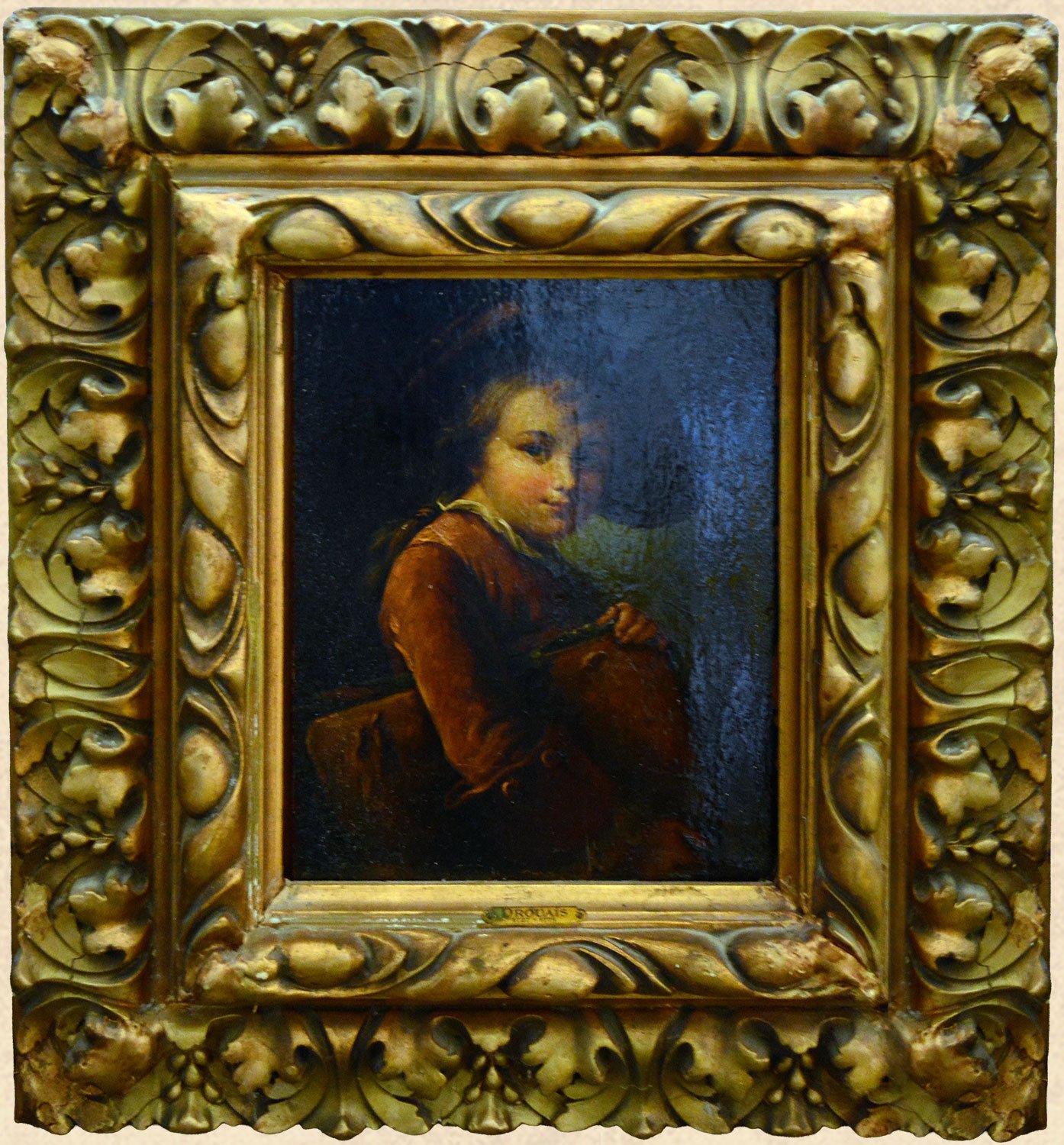
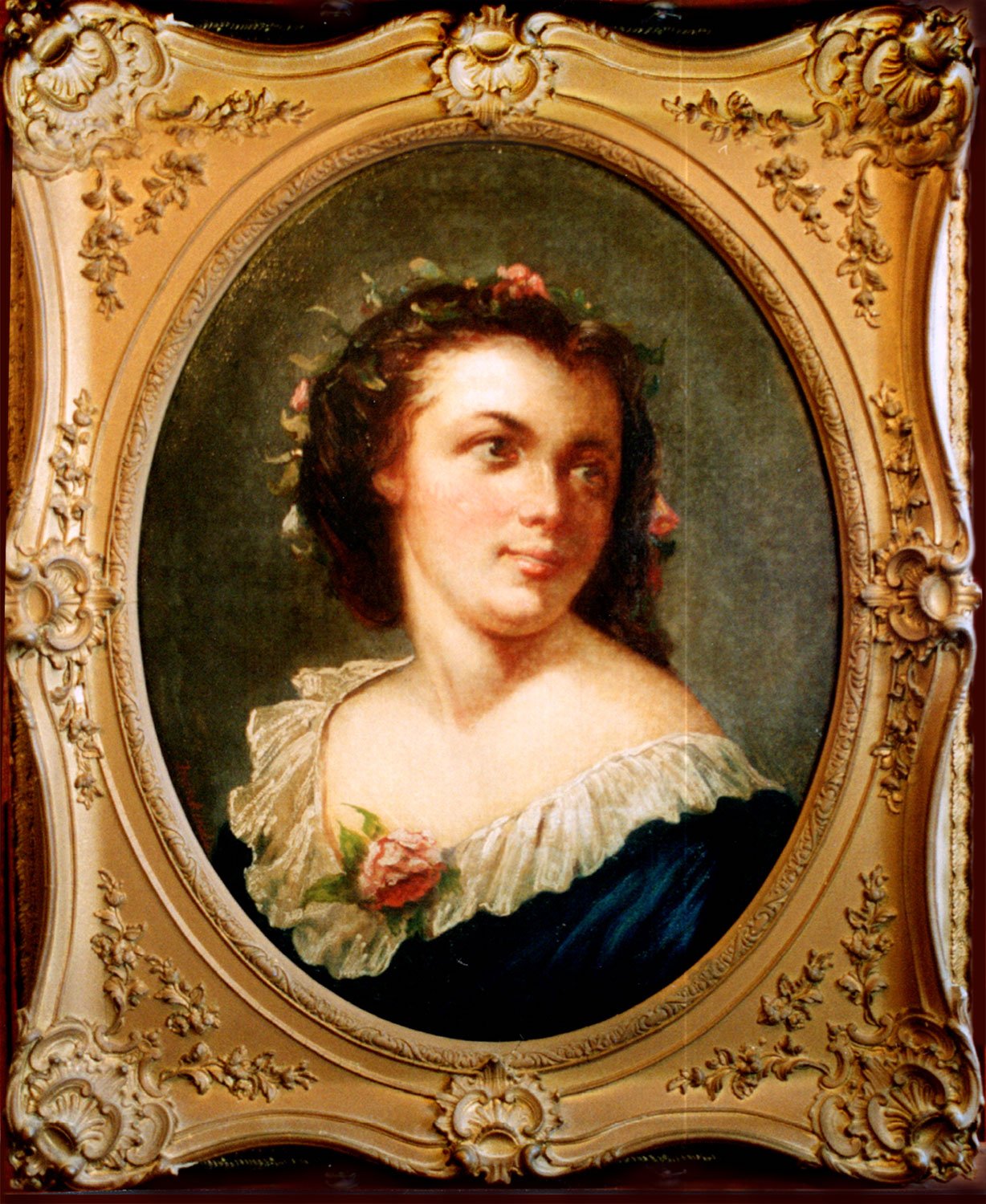
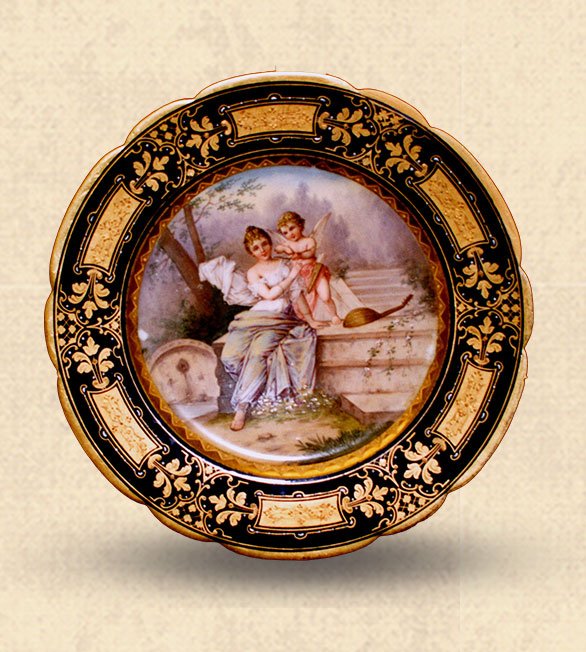
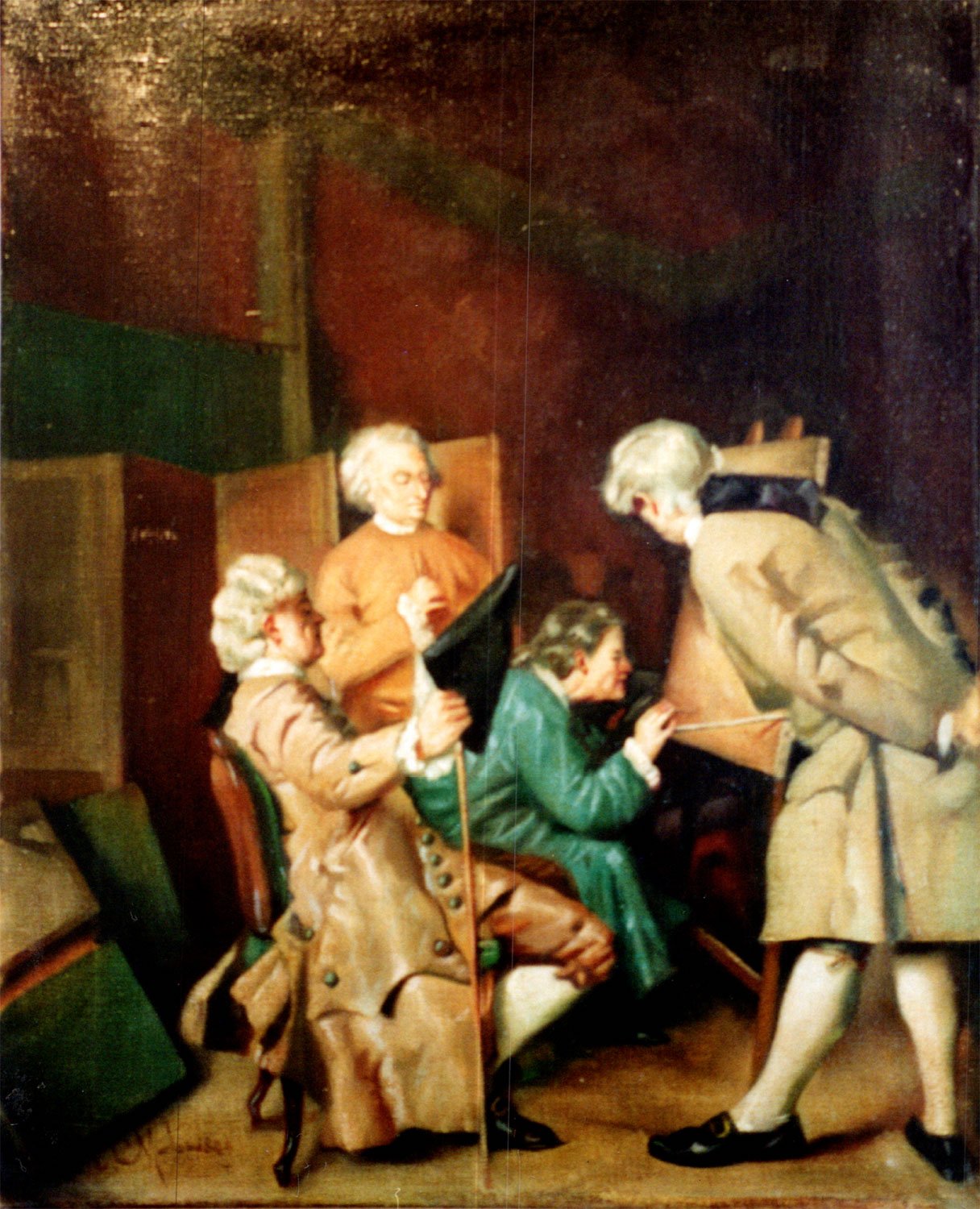
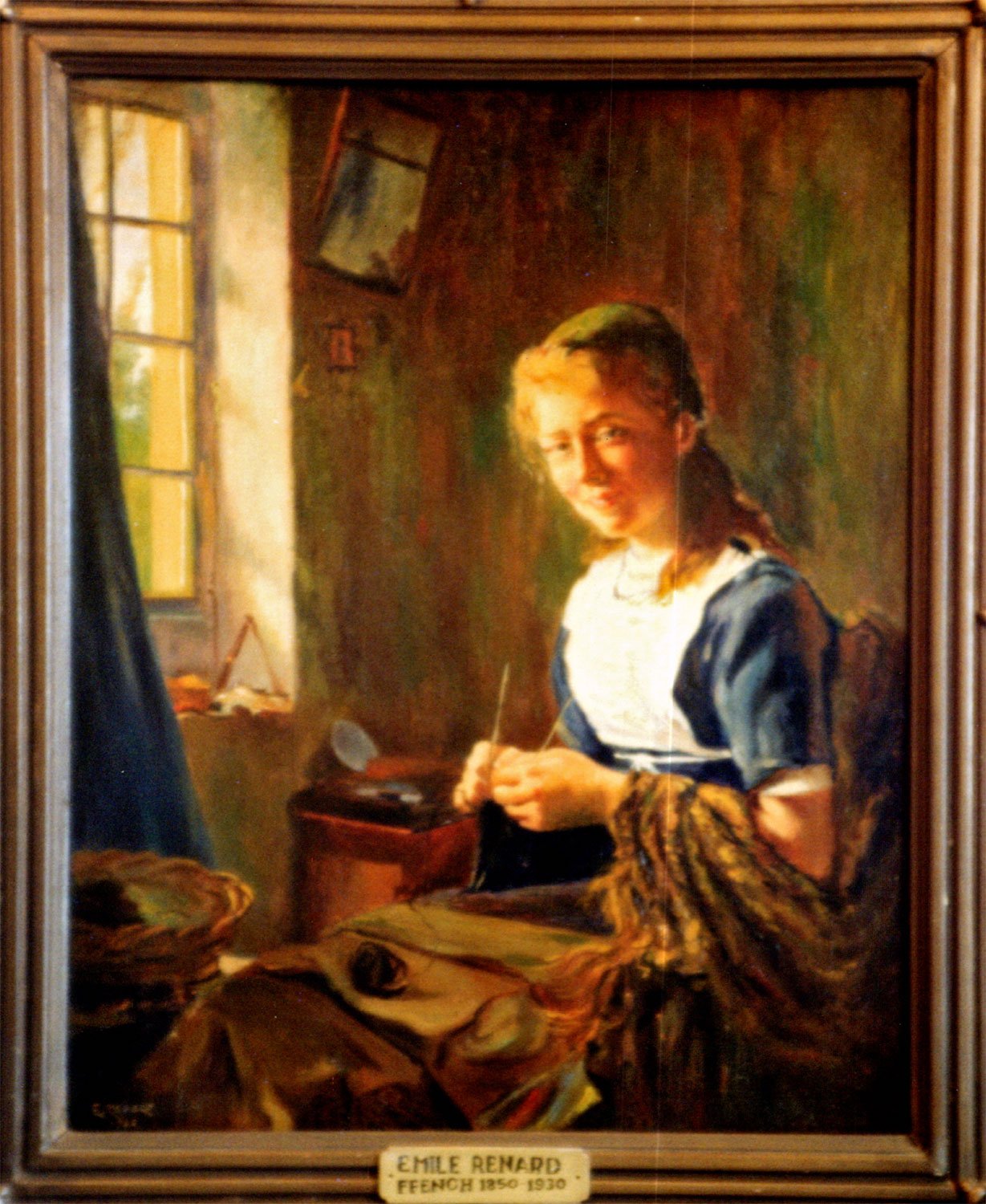
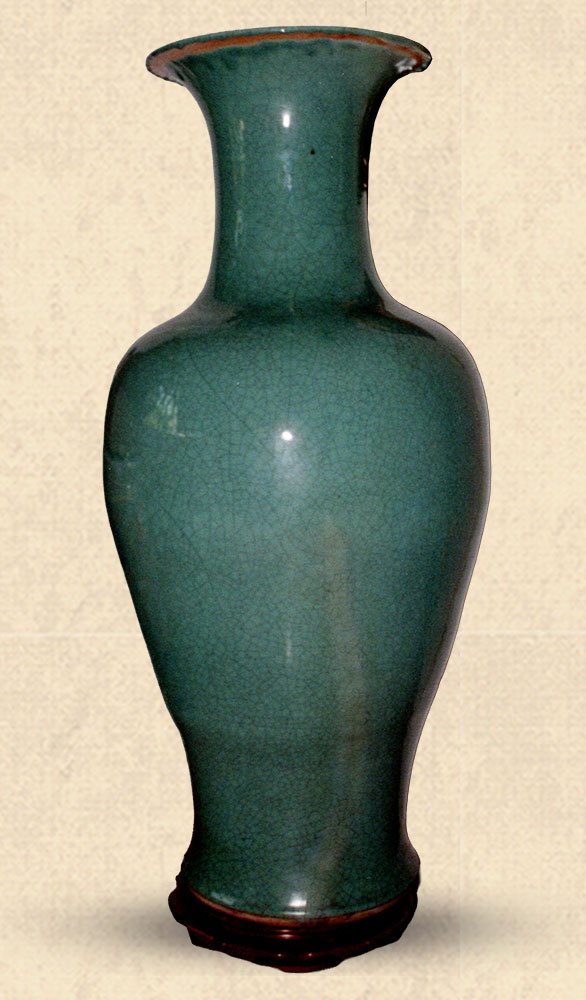
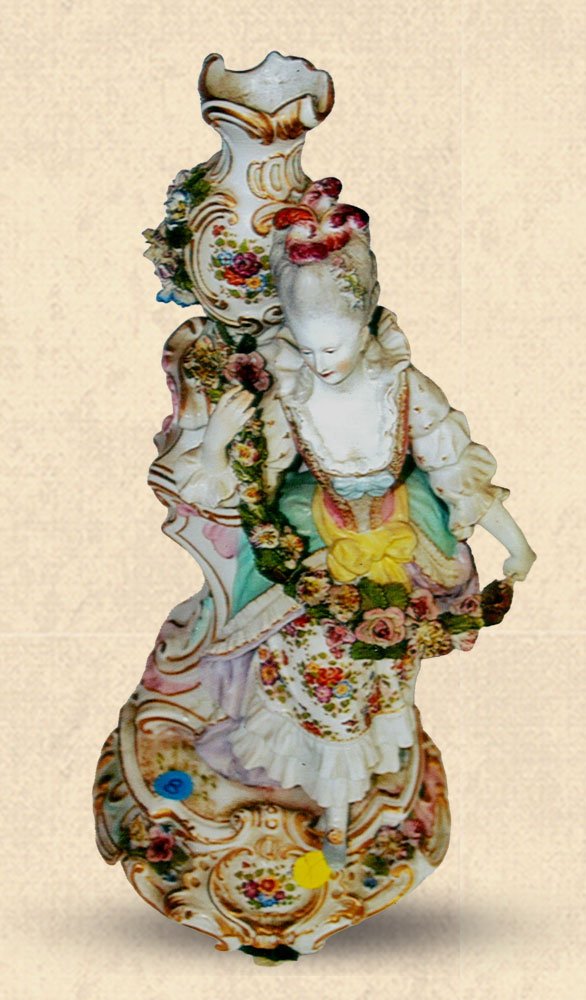
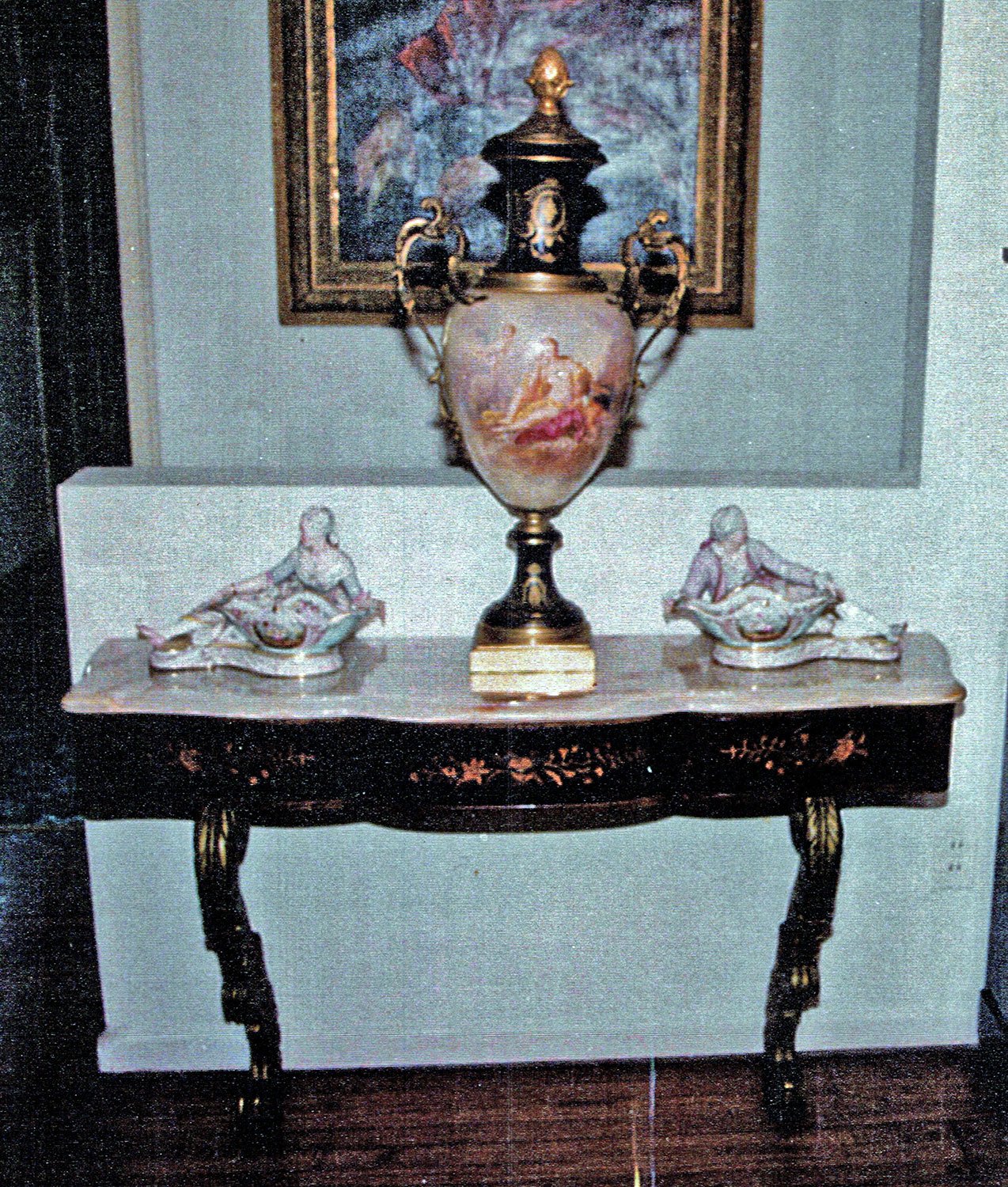
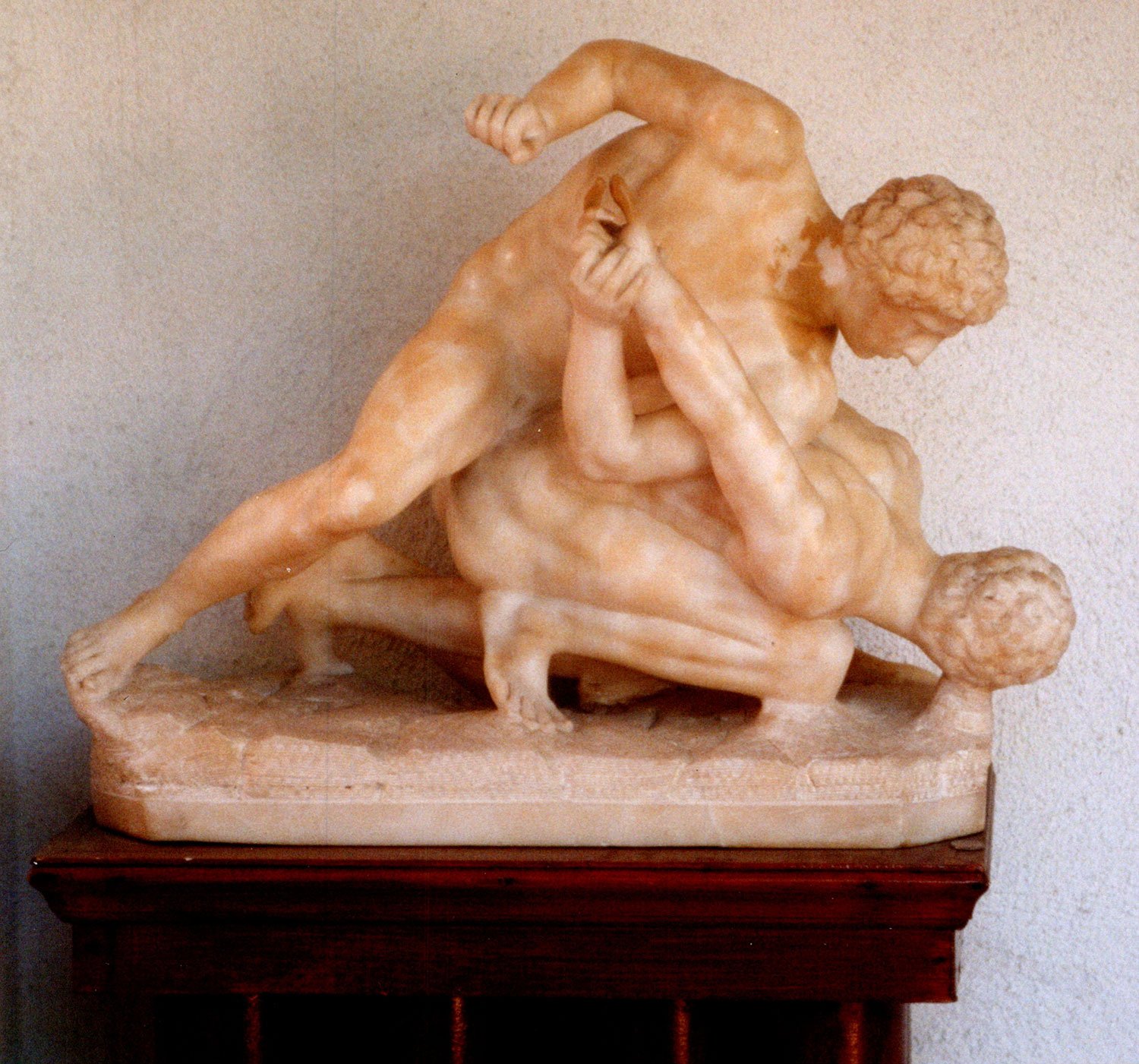
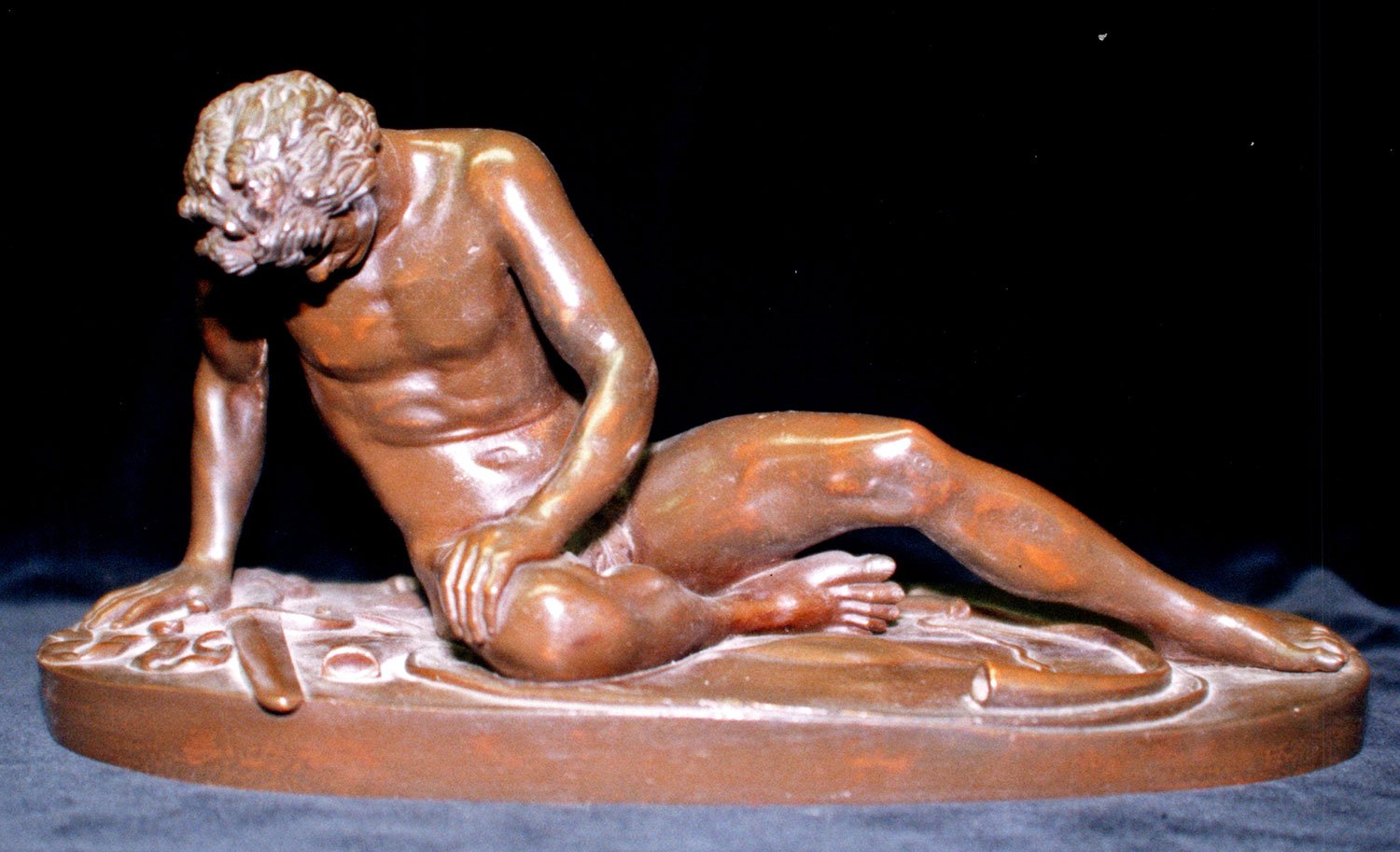
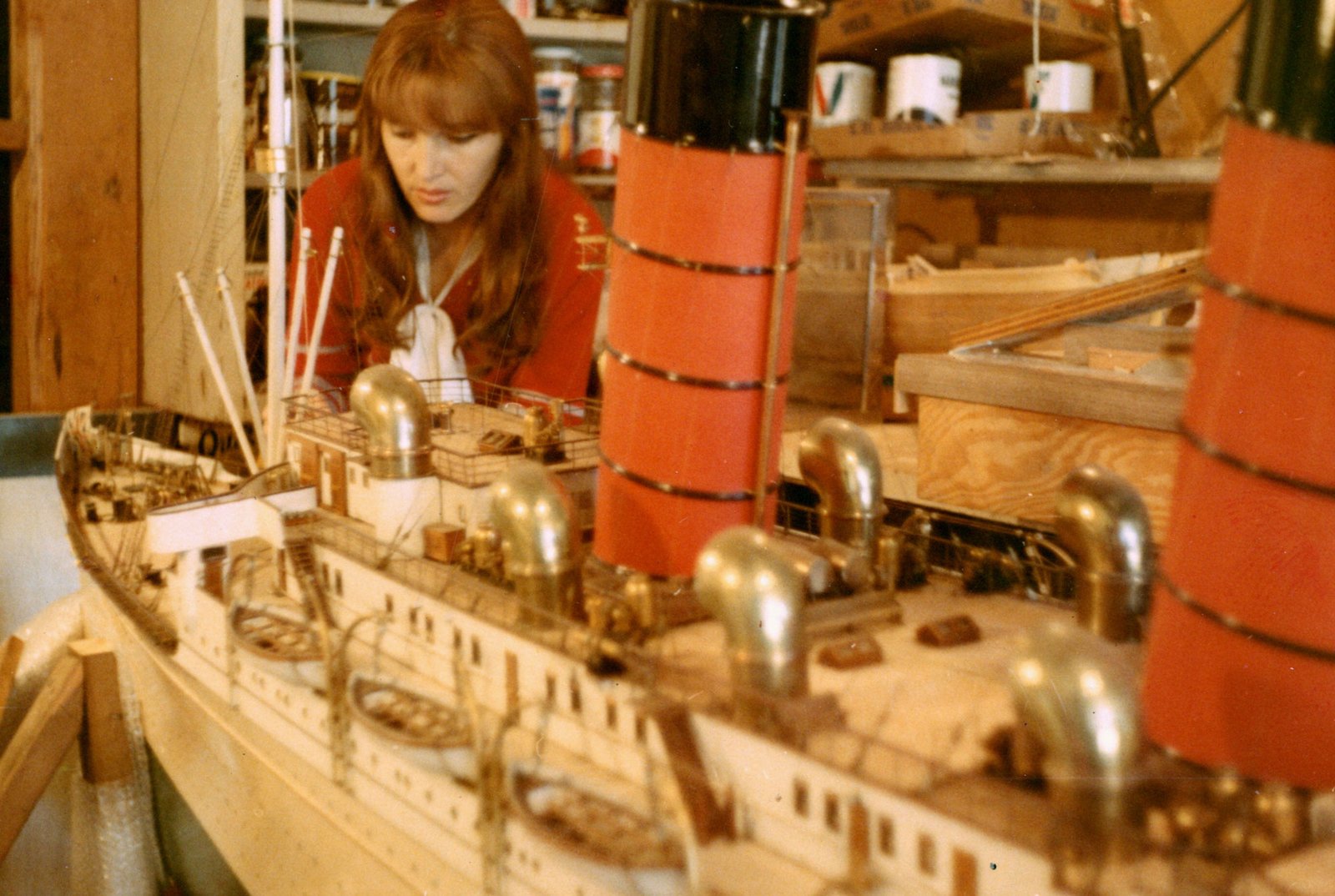
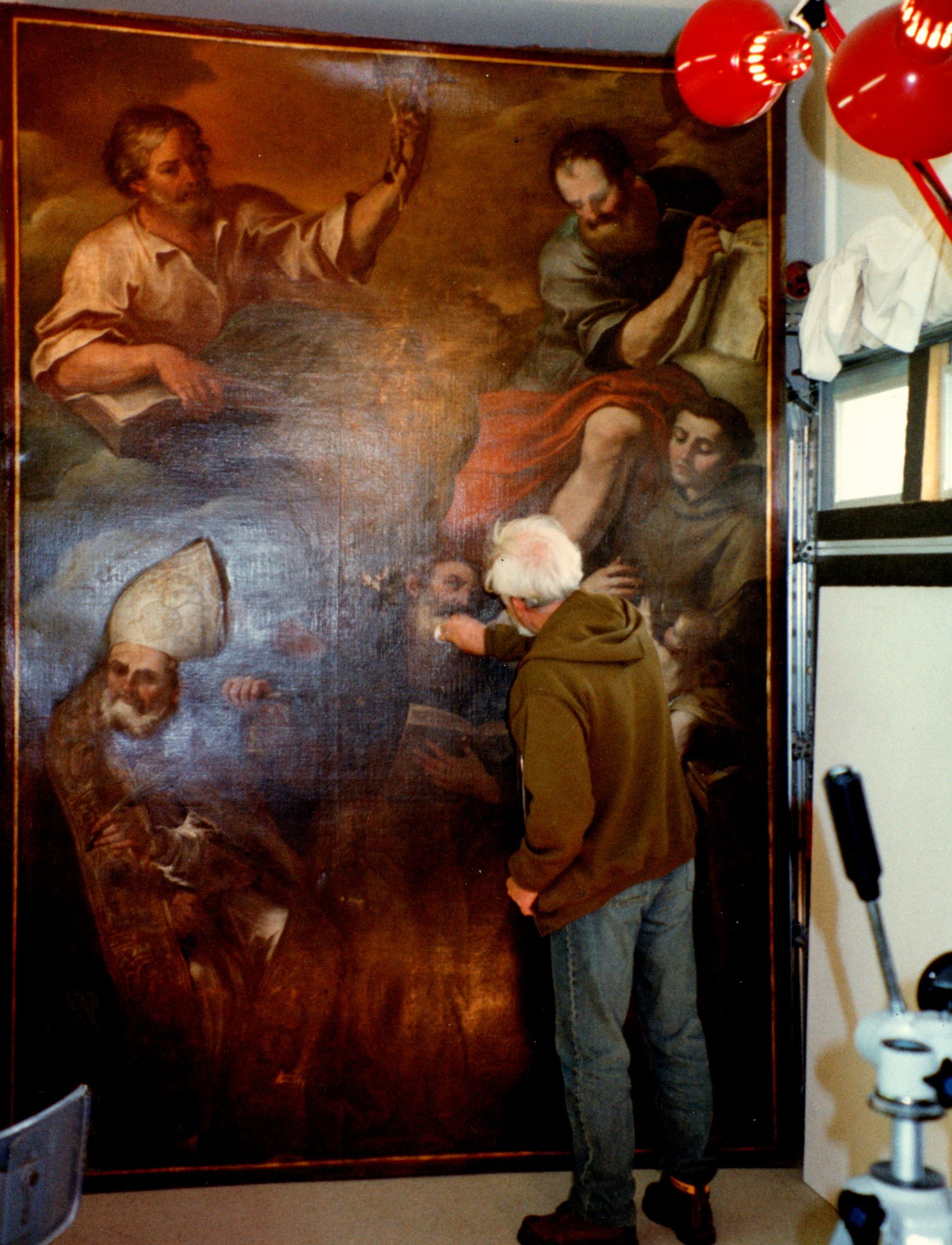
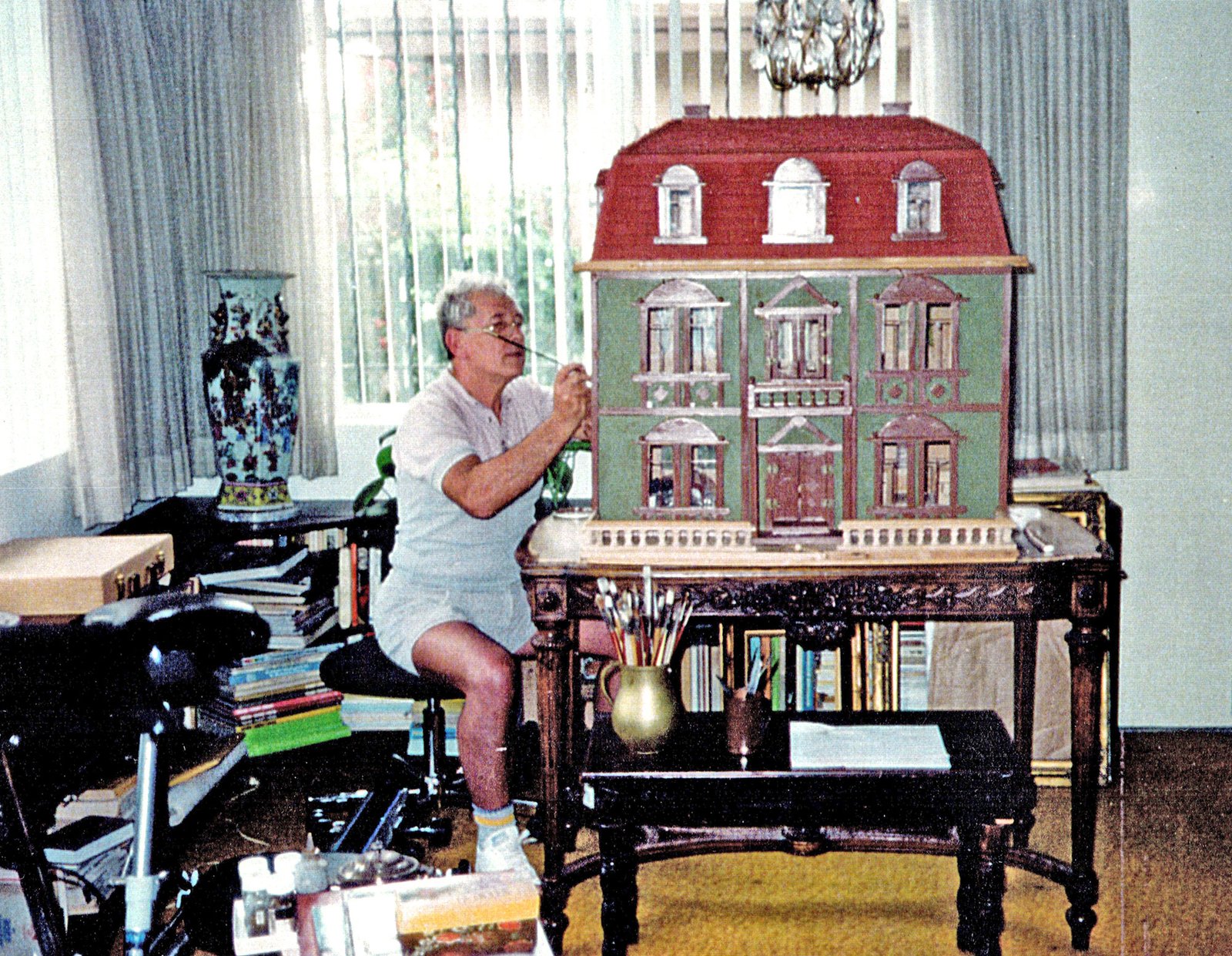
The images in this section are from the workshop’s personal and professional photo archive from the 1980s and 1990s, which are now preserved as a historical record of Jorge Geisse’s restoration work
Critical Appraisal in a Pre-Digital Era
Beyond the physical intervention of the works, Geisse stood out as a highly respected art appraiser, providing his services to the famous Christie’s auction house, individual collectors, and the J. Paul Getty endowment itself.
In an era when carbon-14 dating was a complex process, extremely difficult to access and of prohibitive costs, Geisse’s clinical eye was the definitive resource. His encyclopedic knowledge of oil painting degradation processes allowed him to determine the exact age of a canvas by analyzing the presence or absence of physical changes and specific visual pathologies. The issuance of professional opinions that defined the market value and authenticity of the works depended on this rigorous empirical analysis.
This technical reputation made him the strategic ally of the main antique shops and galleries of the 70s and 80s, as well as insurance companies, for whom he performed nominal restoration estimates that defined whether an insured piece should be repaired or indemnified for its appraised value.
The 1994 Earthquake: Heritage Rescue
Jorge Geisse’s commitment to art preservation lived one of its most critical moments after the Northridge earthquake in 1994. The earthquake caused massive devastation in the Los Angeles metropolitan area, destroying and damaging thousands of invaluable objects in residences and collections.
During the subsequent years, Geisse’s restoration services experienced their highest point of demand. His studio transformed into a heritage triage and rescue center, returning dignity and splendor to fragments of history that the earthquake seemed to have condemned to definitive loss.
The Jorge Geisse Archive is located in Murrieta, CA, United States of America. Managed and represented by the Geisse Castrillón Family.
© 2026 Jorge Geisse Archive. All rights reserved. No part of this work may be reproduced without express authorization from the familyos. Ninguna parte de este sitio web puede ser reproducido sin autorización expresa de la familia.