Beyond the Easel:
Diverse Projects
Jorge Geisse’s creative restlessness was not limited to restoration or the production of his geometric and landscape work. His insatiable technical curiosity and need to explore the human condition led him into two extremely demanding fields: the mastery of classical copying and the depth of literature. This page brings together those special projects where ingenuity, precision, and the written word become an extension of his legacy.
The Art of the Copy in a Challenging Market
Upon settling in the United States, Jorge Geisse faced a complex contemporary art market and cultural and language barriers that hindered the commercialization of his most personal work. Far from stopping, he channeled his virtuosity toward a sector that demanded an exceptionally high technical level: the reproduction and recreation of 18th- and 19th-century European paintings, as well as works by great classical masters.
His absolute mastery of the chemistry of art allowed him to stand out in a demanding market that requested pieces with an authentic aging finish. Geisse applied his deep knowledge of the temporal degradation of oil pigments—precisely emulating physical processes such as fading, loss of opacity, darkening, and discoloration—to grant his works a perfect patina of antiquity through complex and prolonged methods.
Many of these commissions required the artist to travel to major museums in New York, San Francisco, and Chicago to study and reproduce the works directly in front of the original canvas. In other cases, he worked from meticulous photographs or plates provided by the collectors themselves.
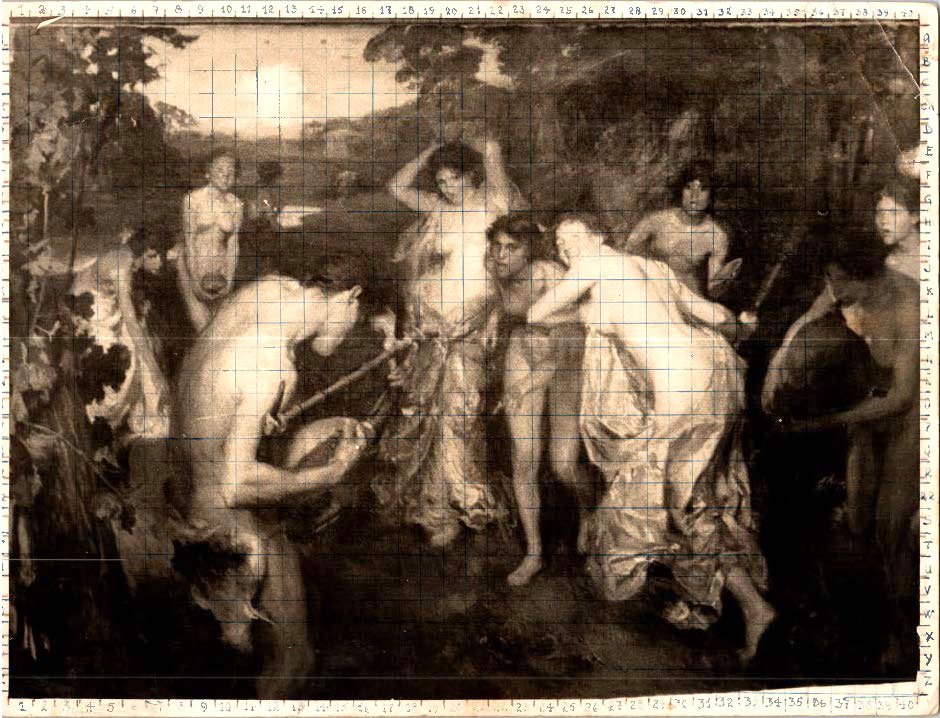
Archival studio photograph of a preparatory grid based on Orpheus Attacked by the Bacchantes by Fernando Álvarez de Sotomayor (1902). This grid-squaring technique was used by the artist to study complex baroque anatomy and scale proportions before beginning the restoration or copying of large-format canvases.
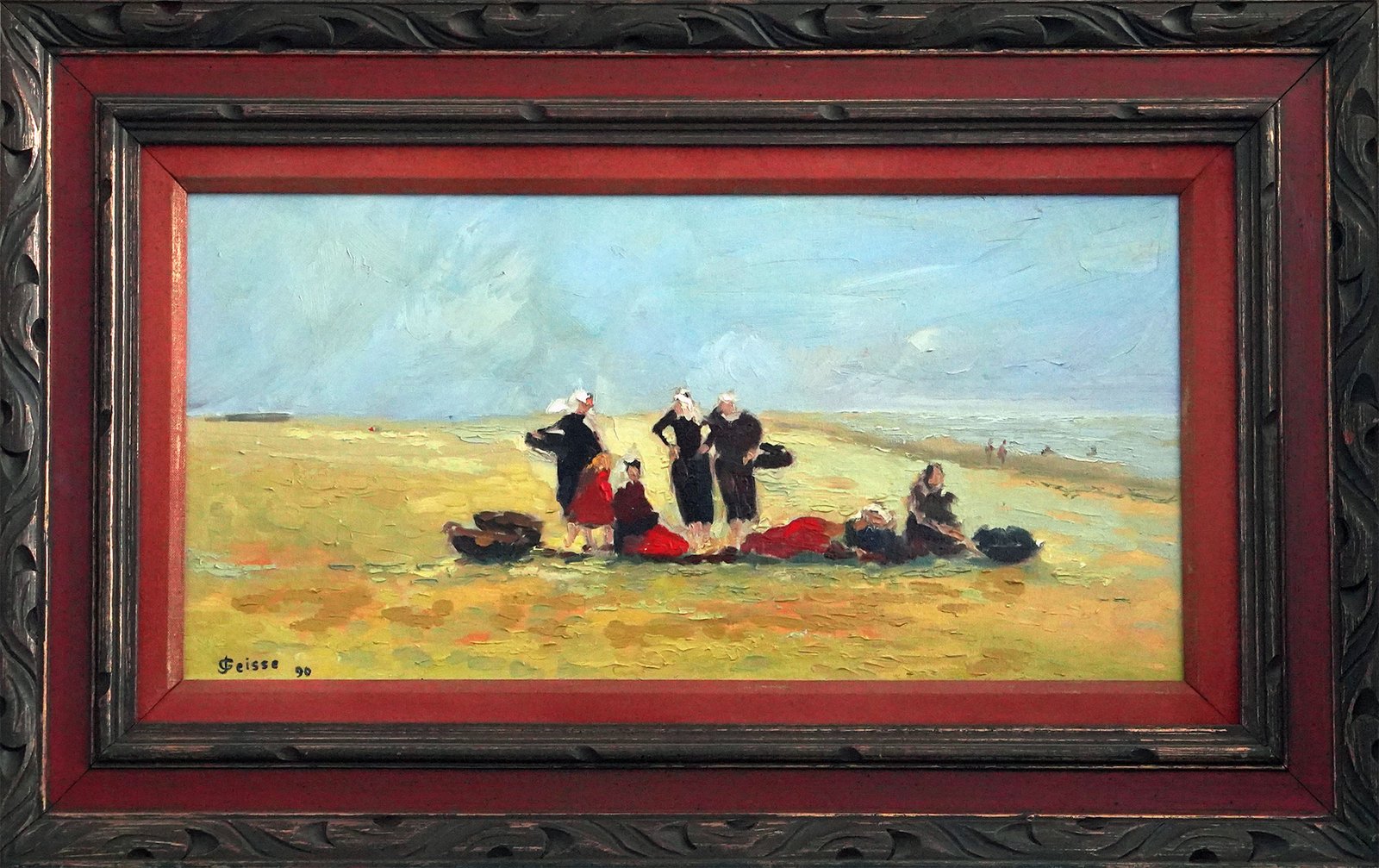
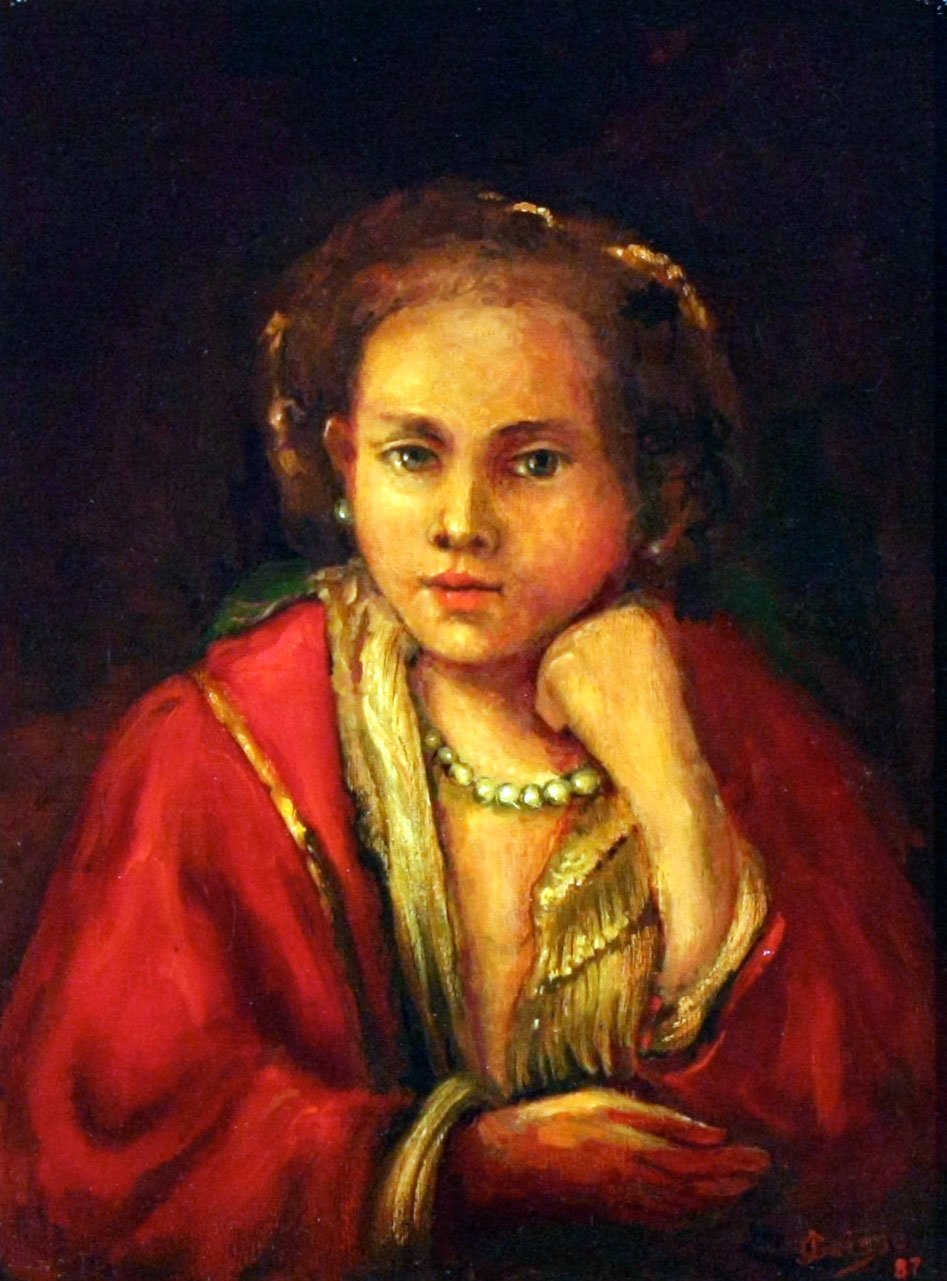
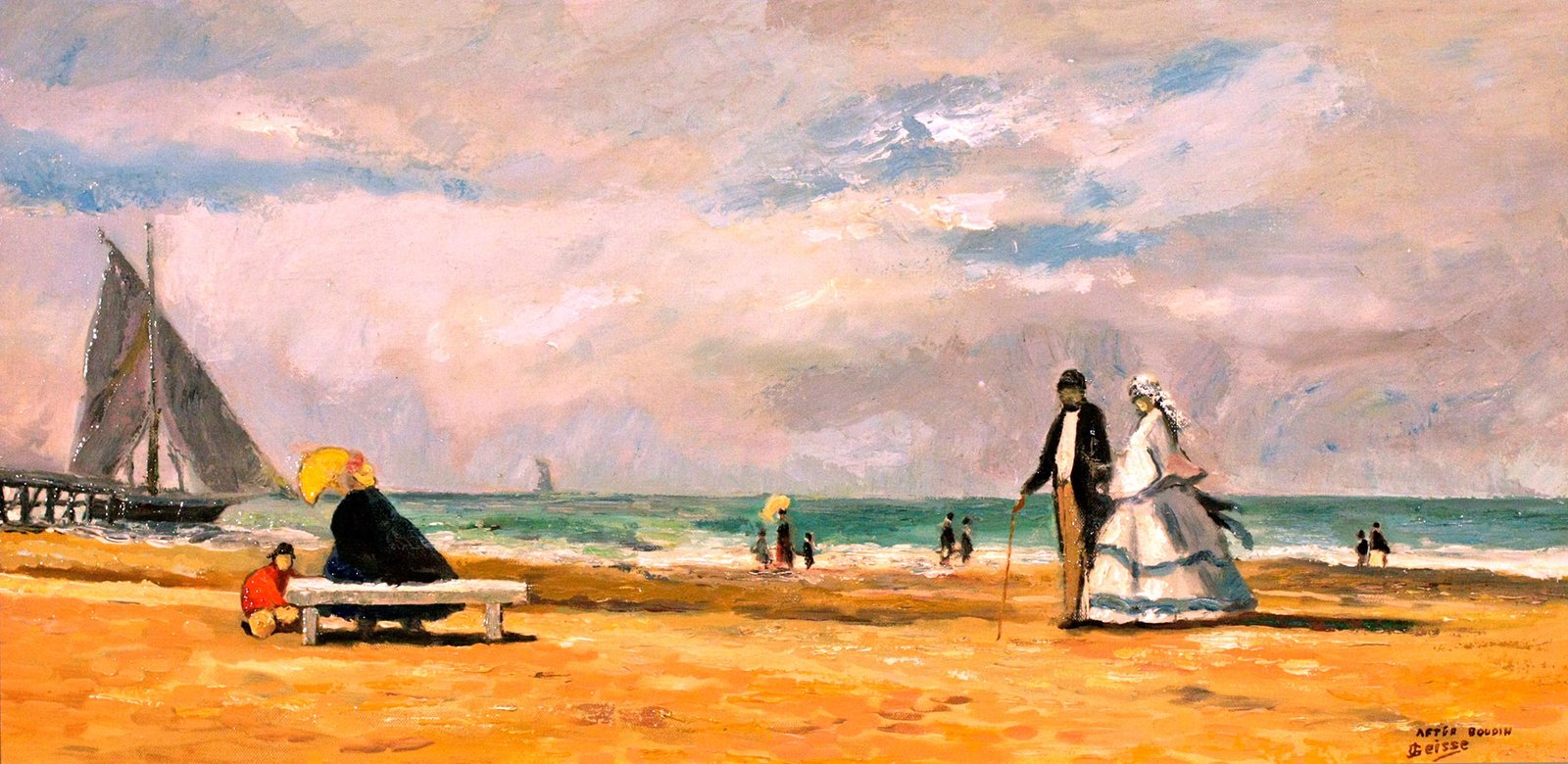
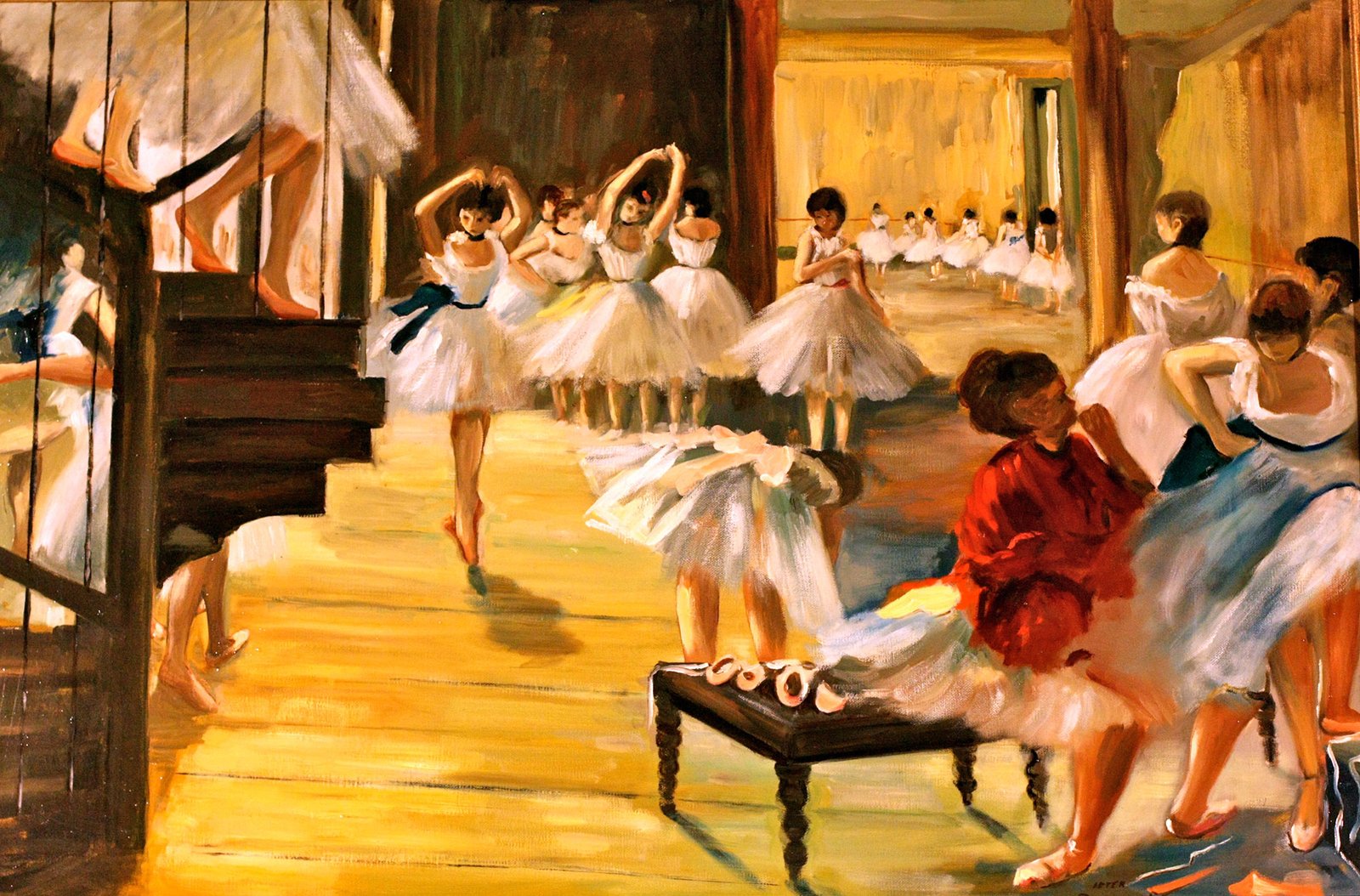
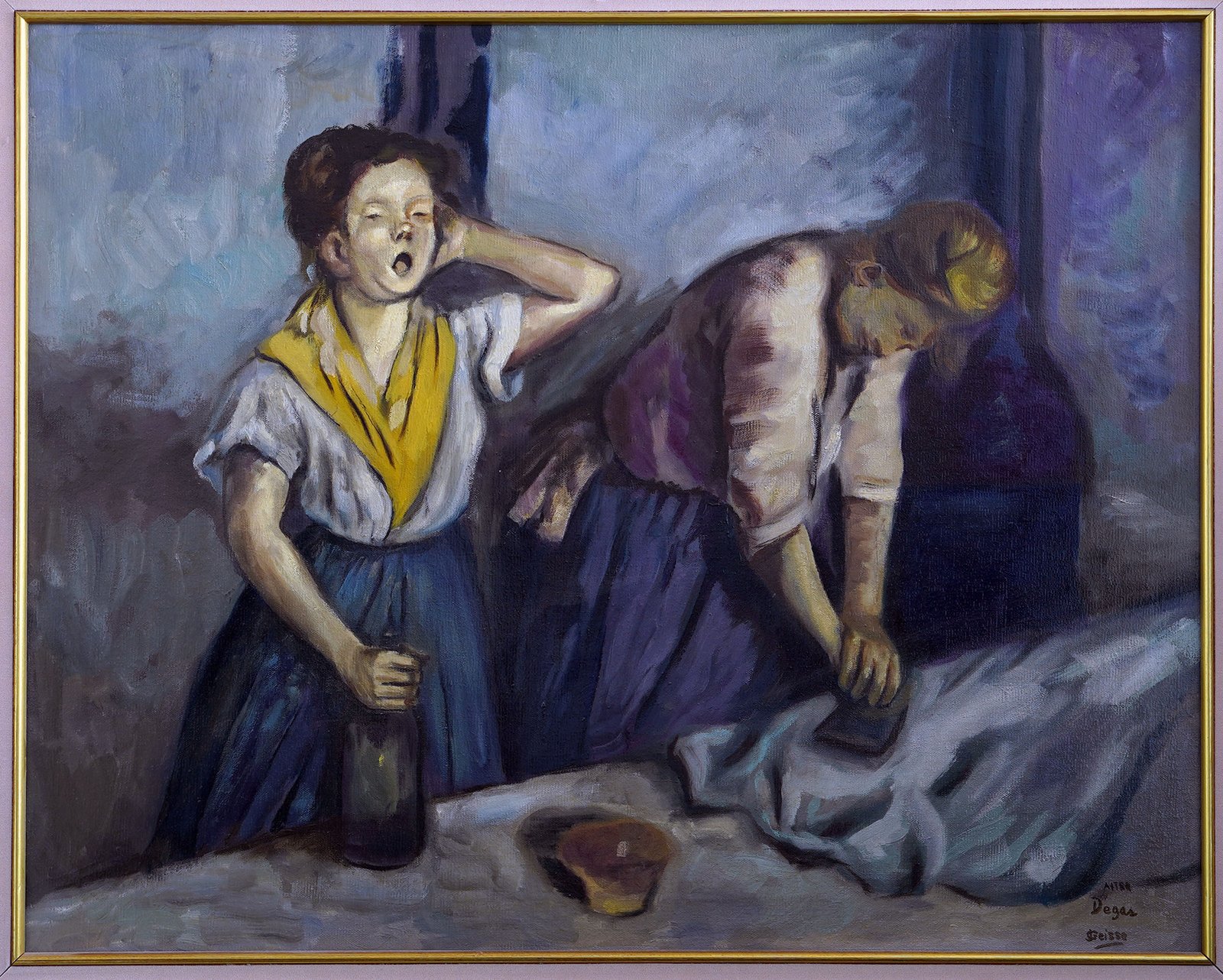
Note on this collection: Because the vast majority of these works were produced under private commissions and reside in private collections, the visual records that survive are limited.
Studies, Drawings, and Thematic Oils
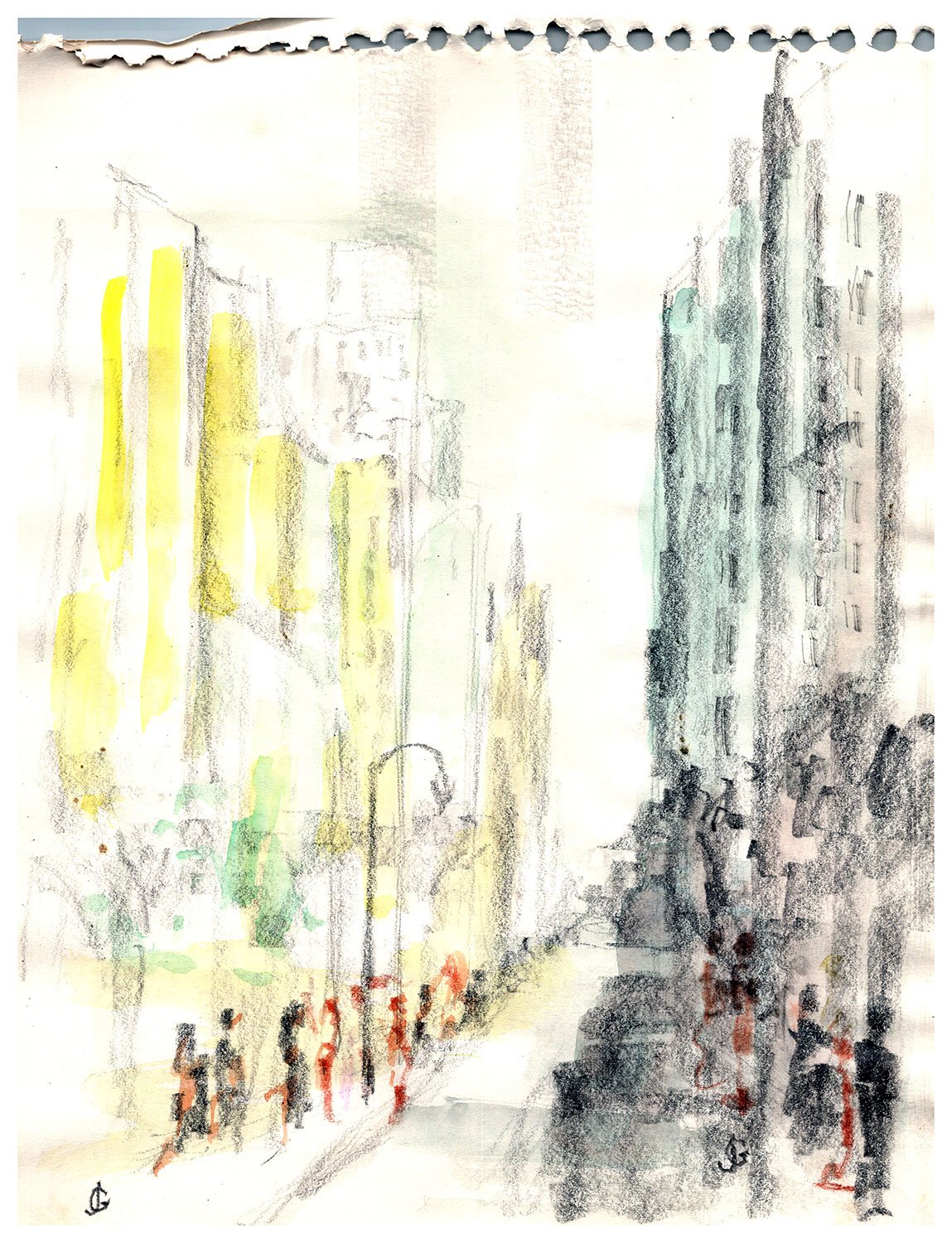
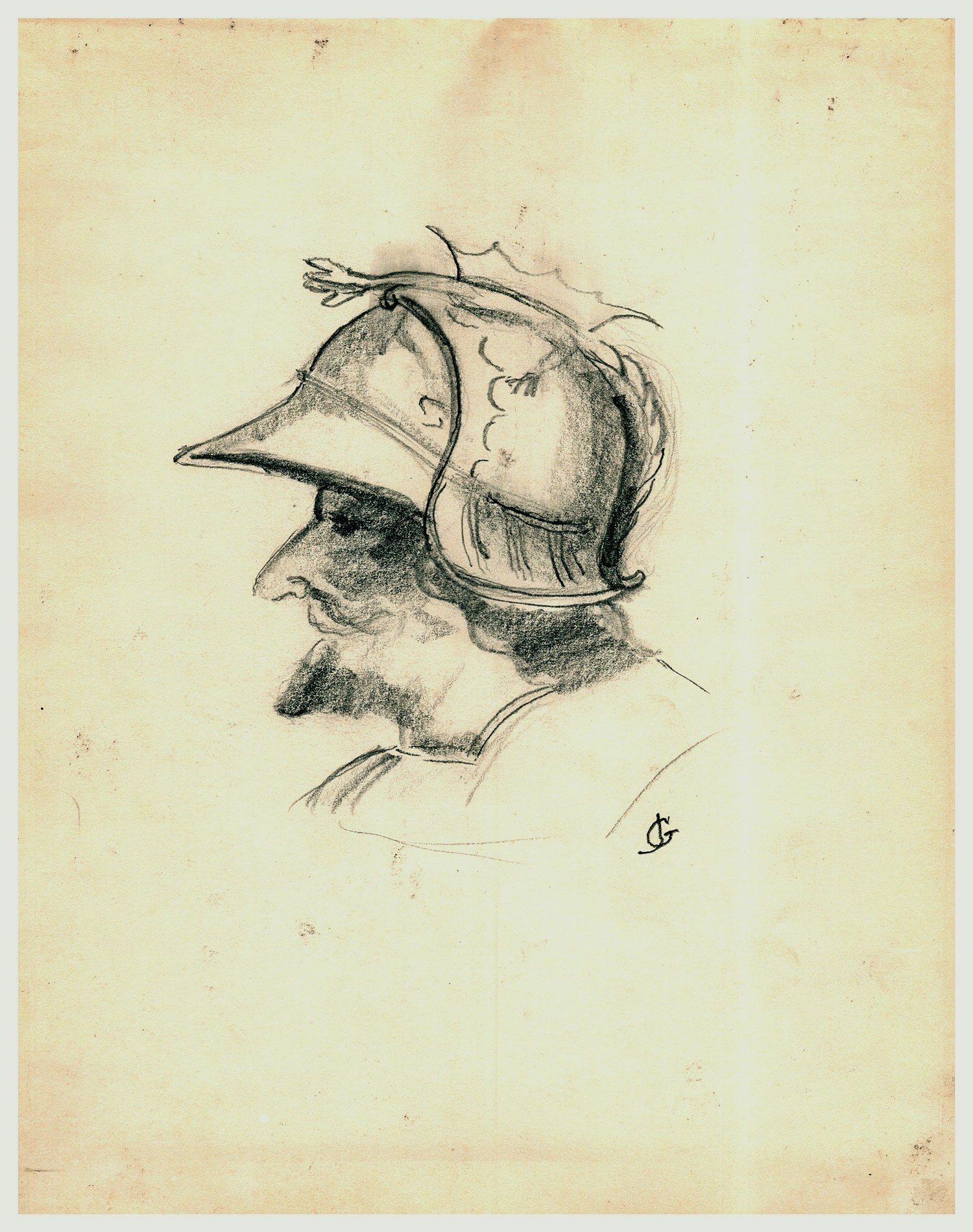
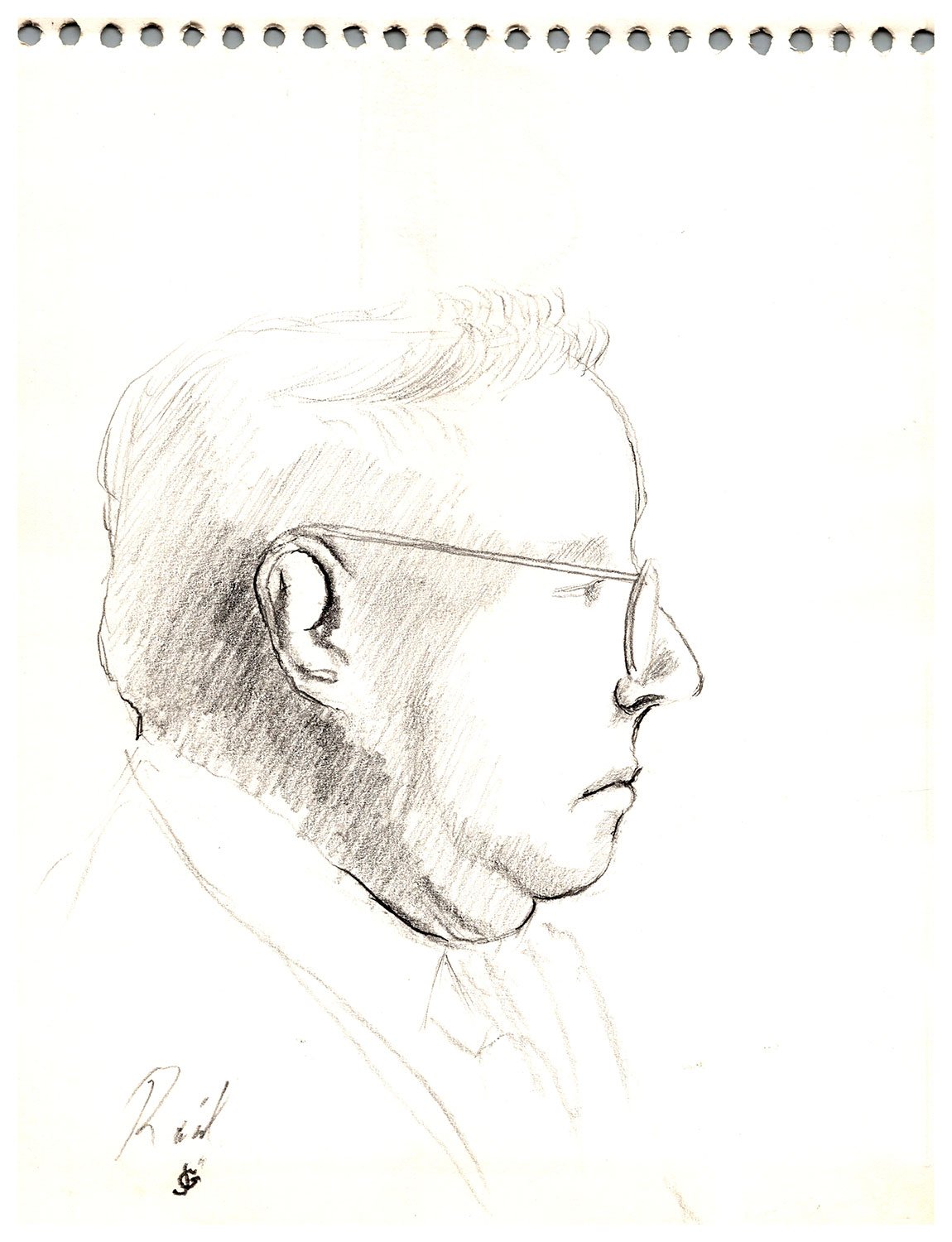
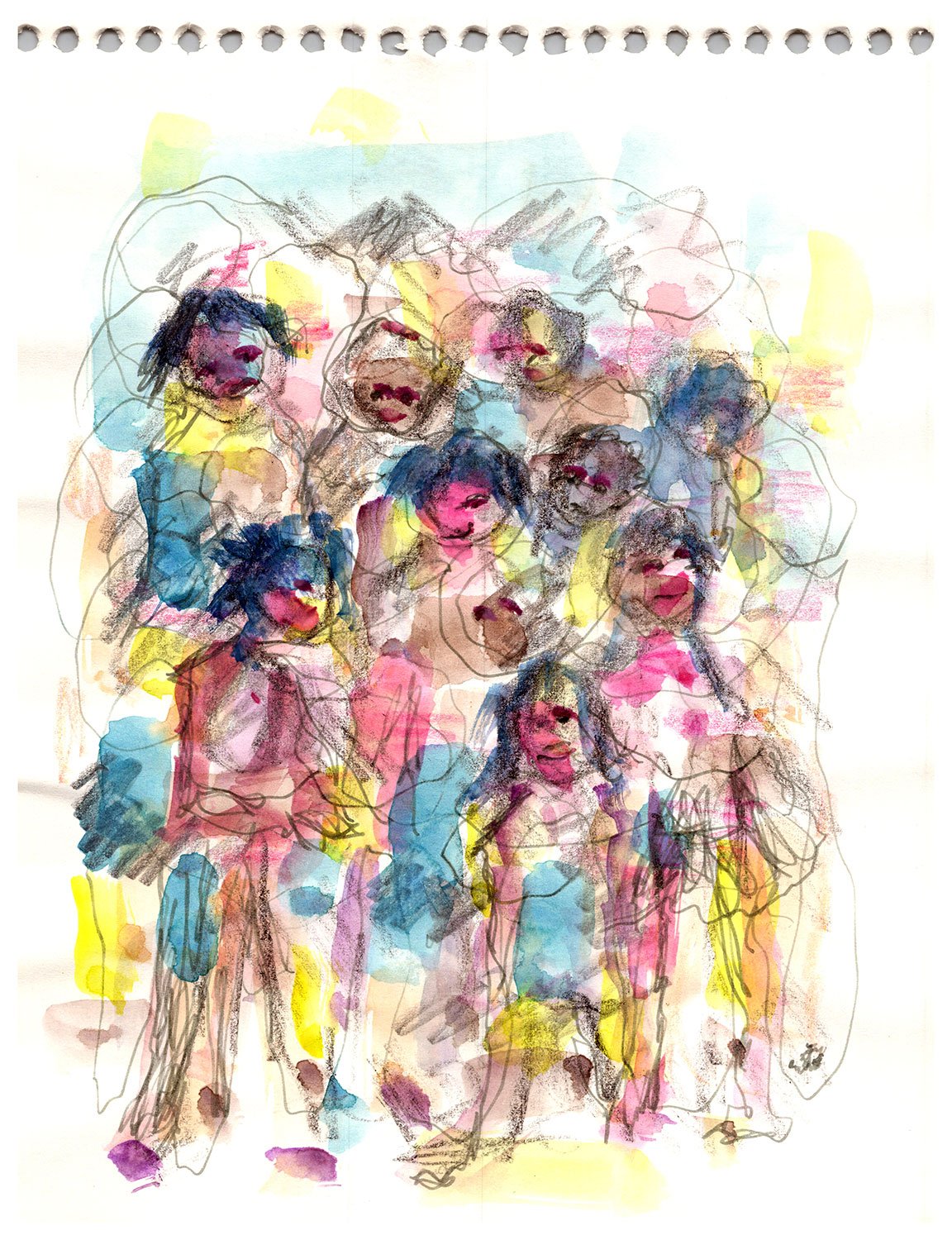
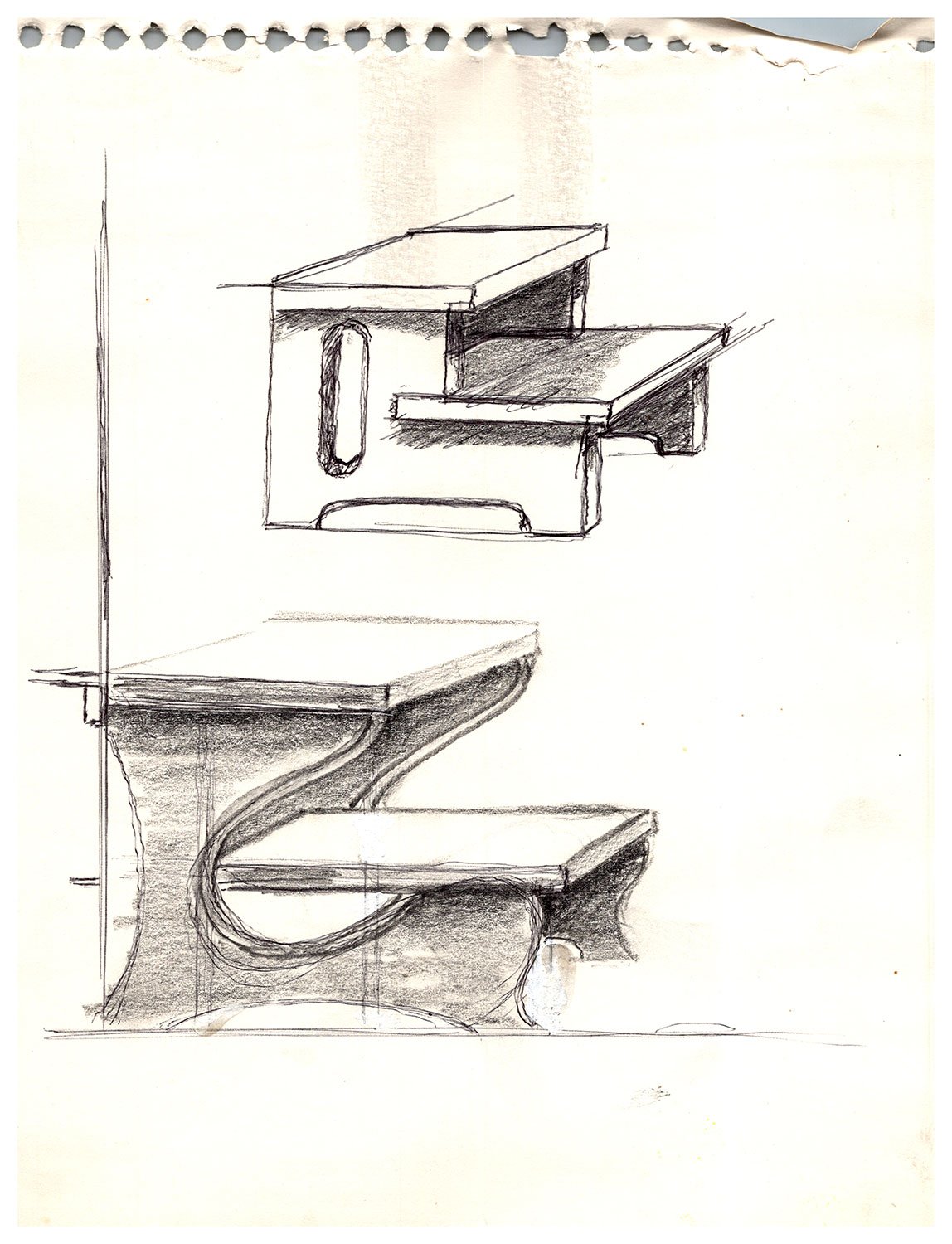
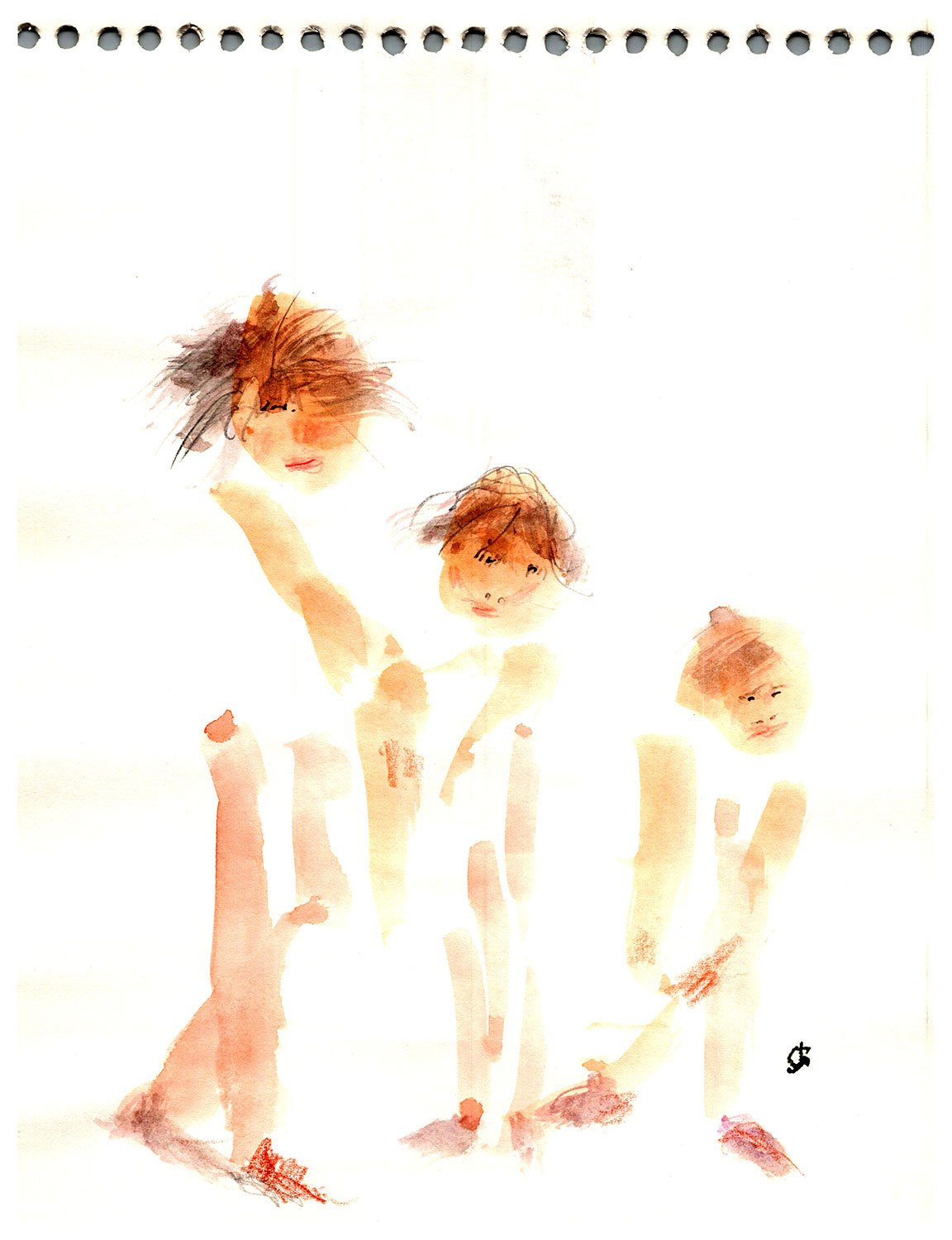
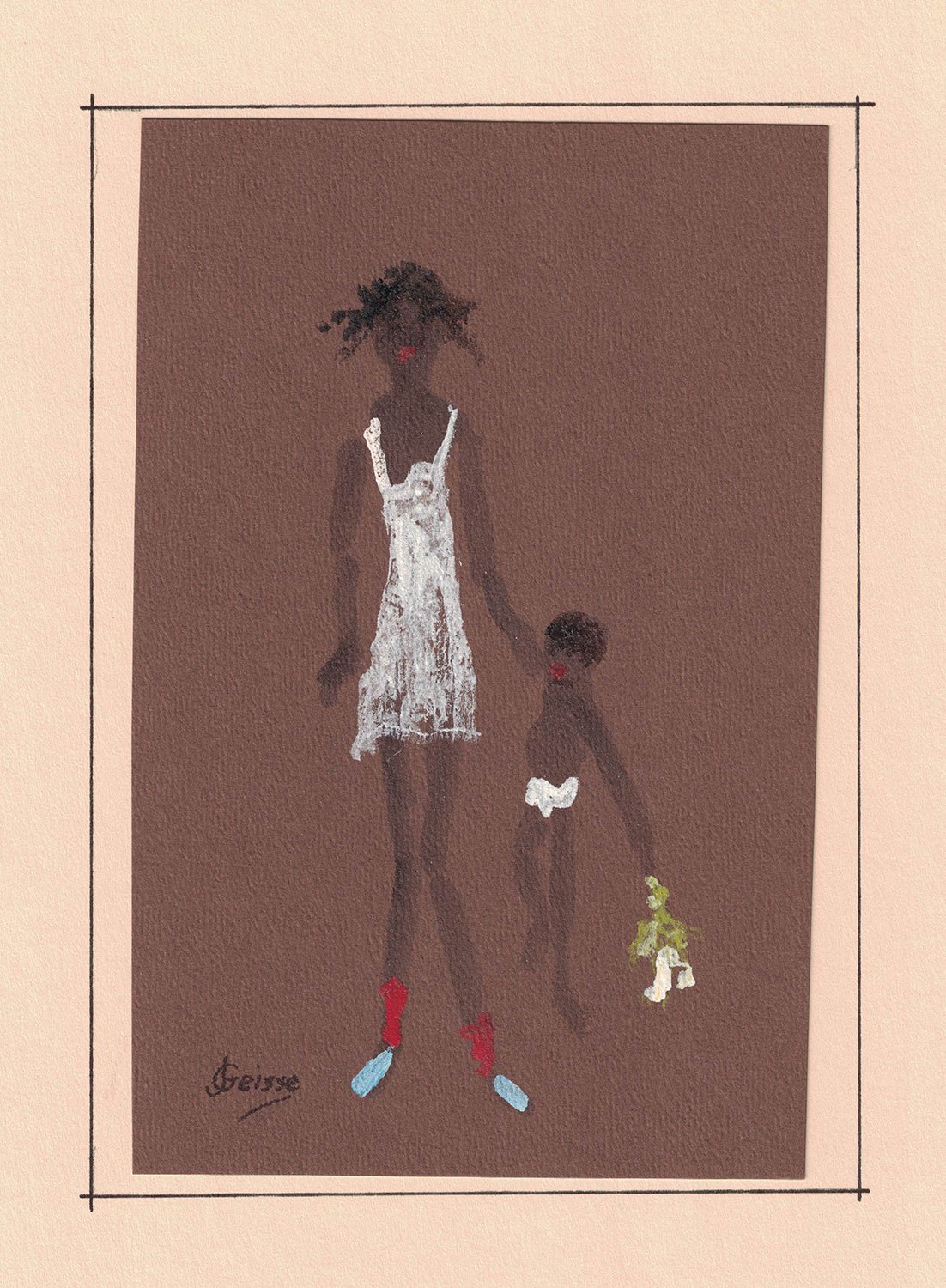
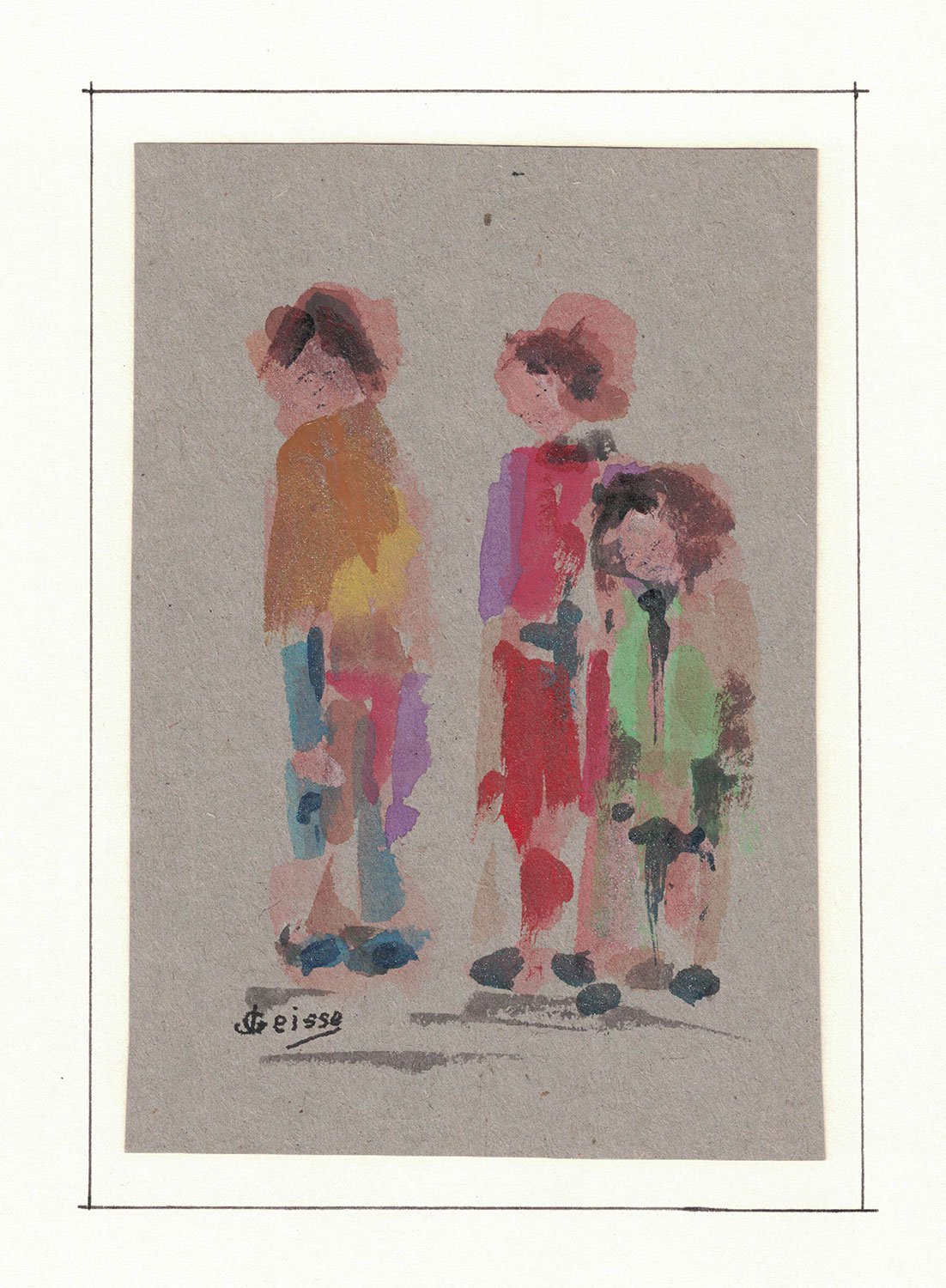
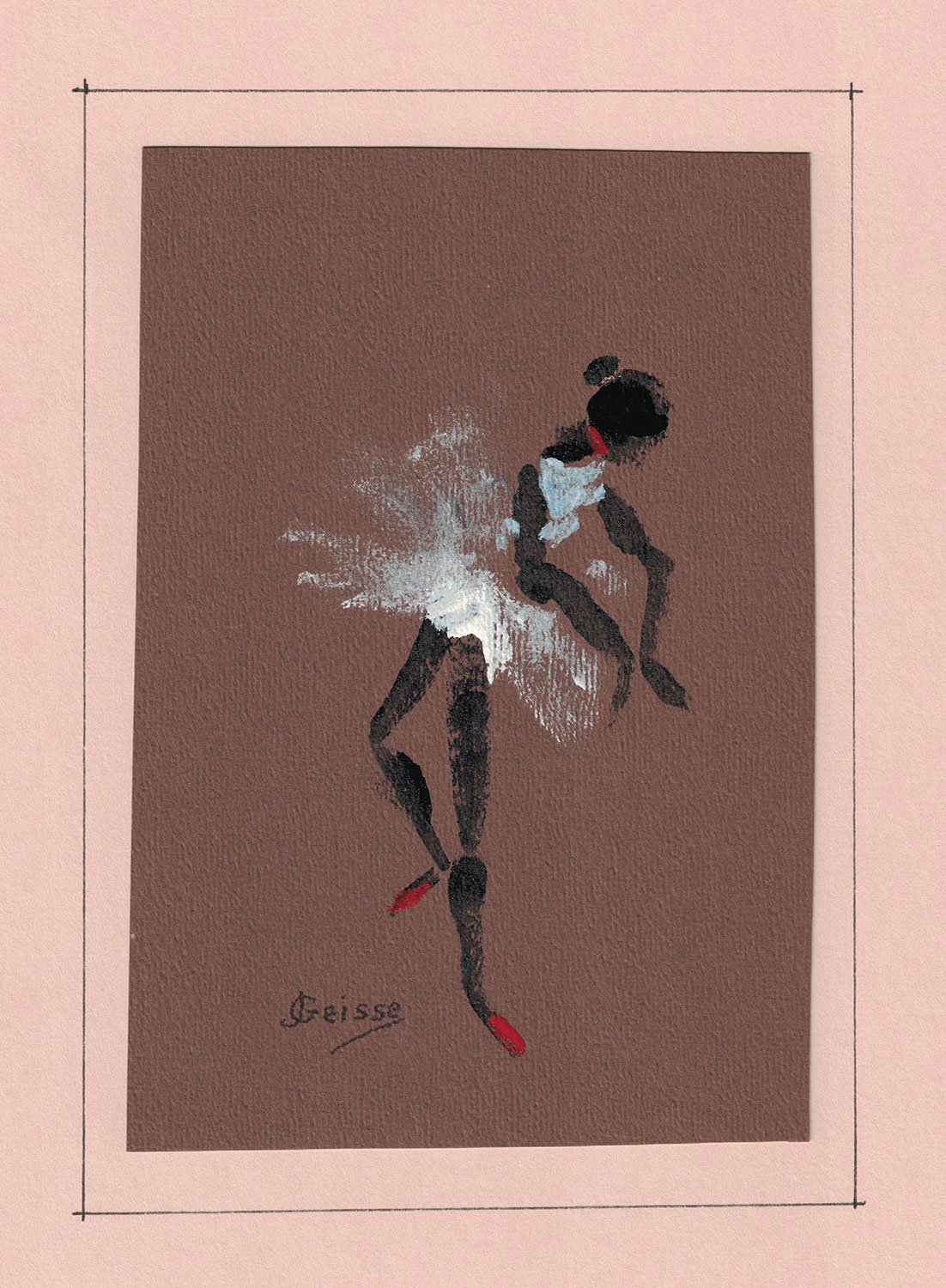
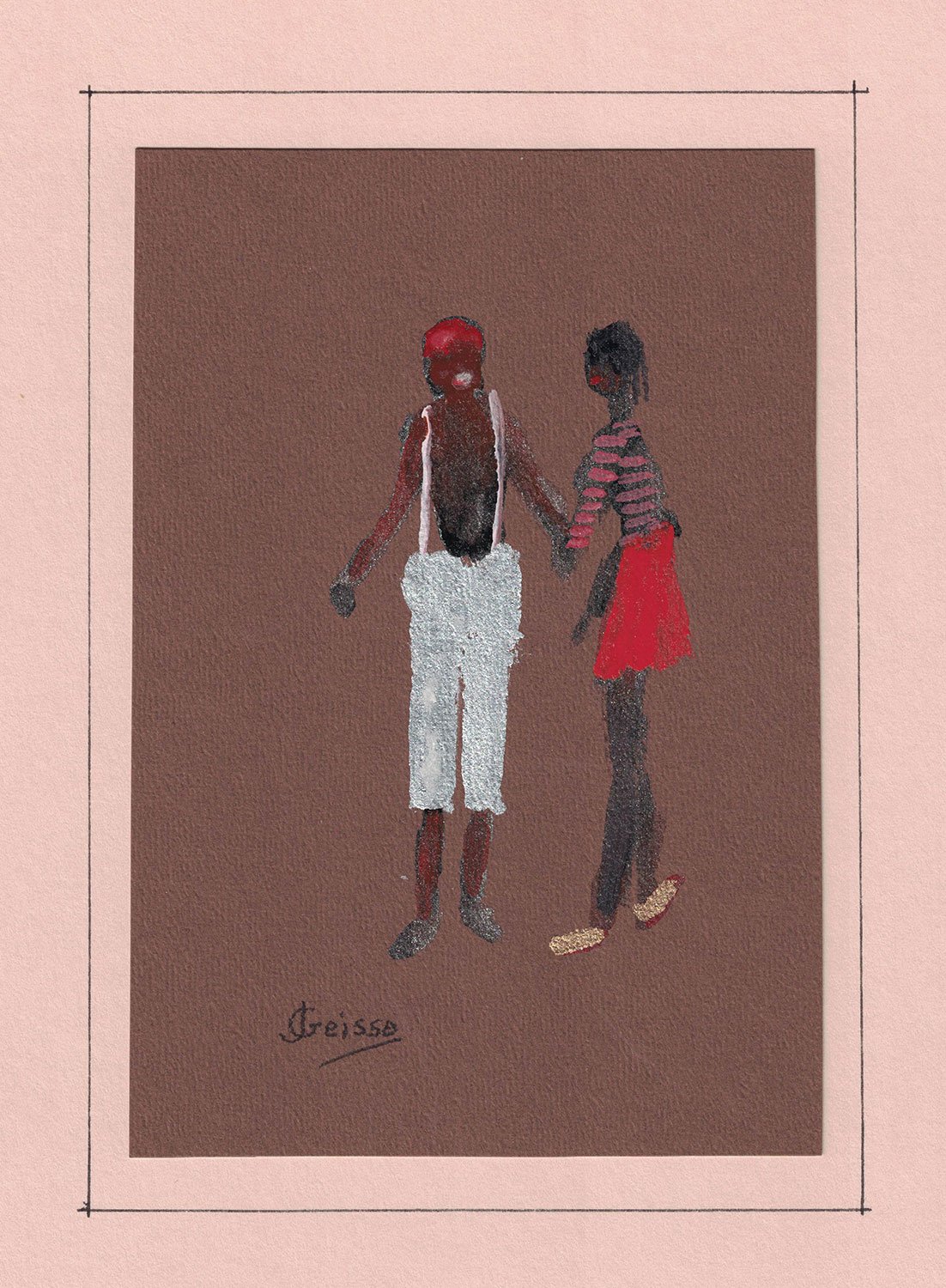
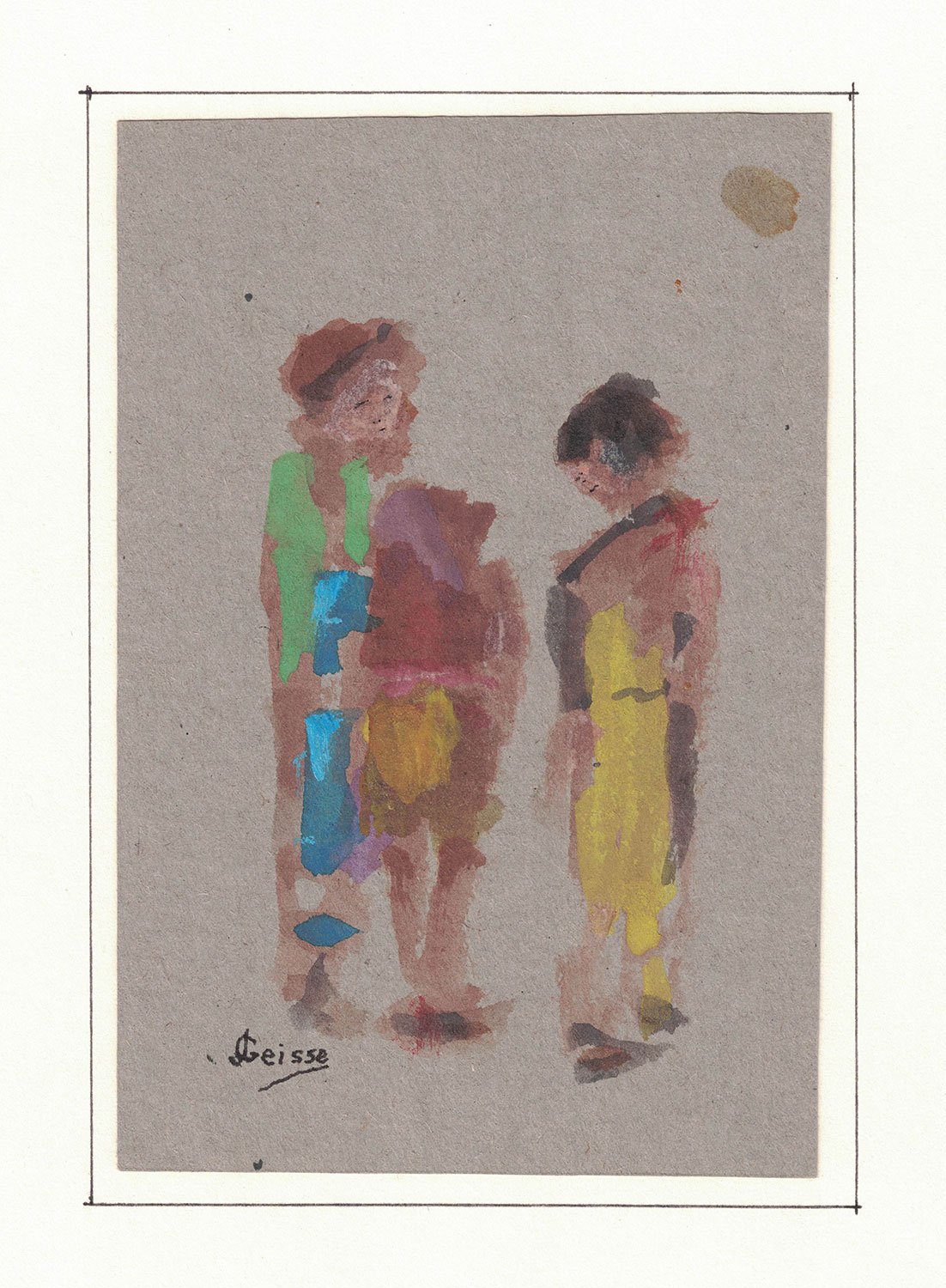
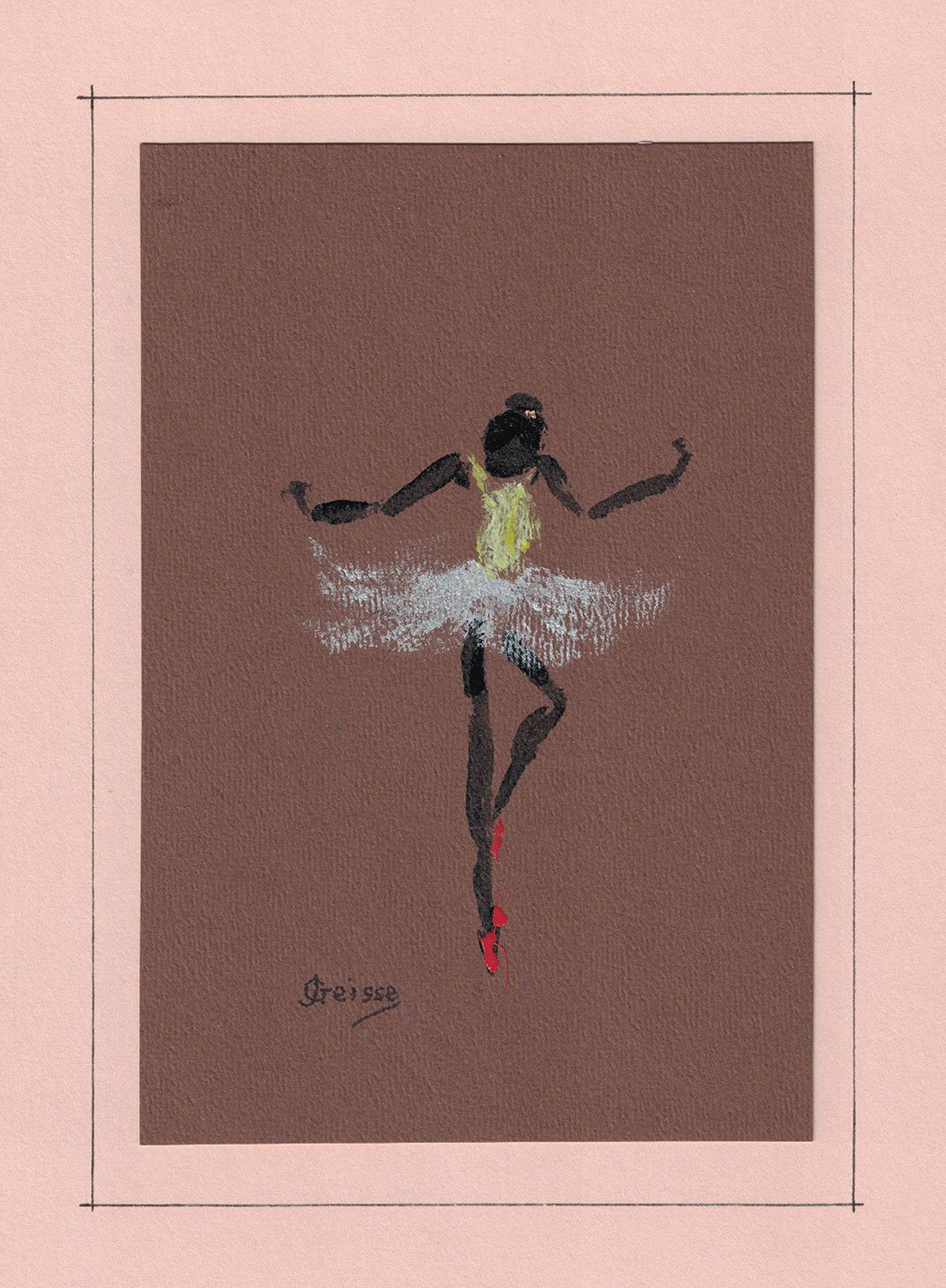
Parallel to his large canvases, Geisse’s studio was the setting for a constant production of drawings, preparatory sketches, and anatomical studies that reveal his daily discipline before forms. Within this independent pictorial production, his series of oils dedicated to children’s scenes and dancers stand out, where he applied his sensitivity to capture movement, subtle gesture, and the behavior of light.
The Word as an Extension of the Canvas: The Literary Legacy
Jorge Geisse’s need to explore the passage of time and the human psyche found a new battleground in literature. His written production was not a secondary complement, but an integral part of his total artistic quest: the same meticulousness he applied to the paintbrush and the restoration scalpel was transferred to the construction of narrative worlds.
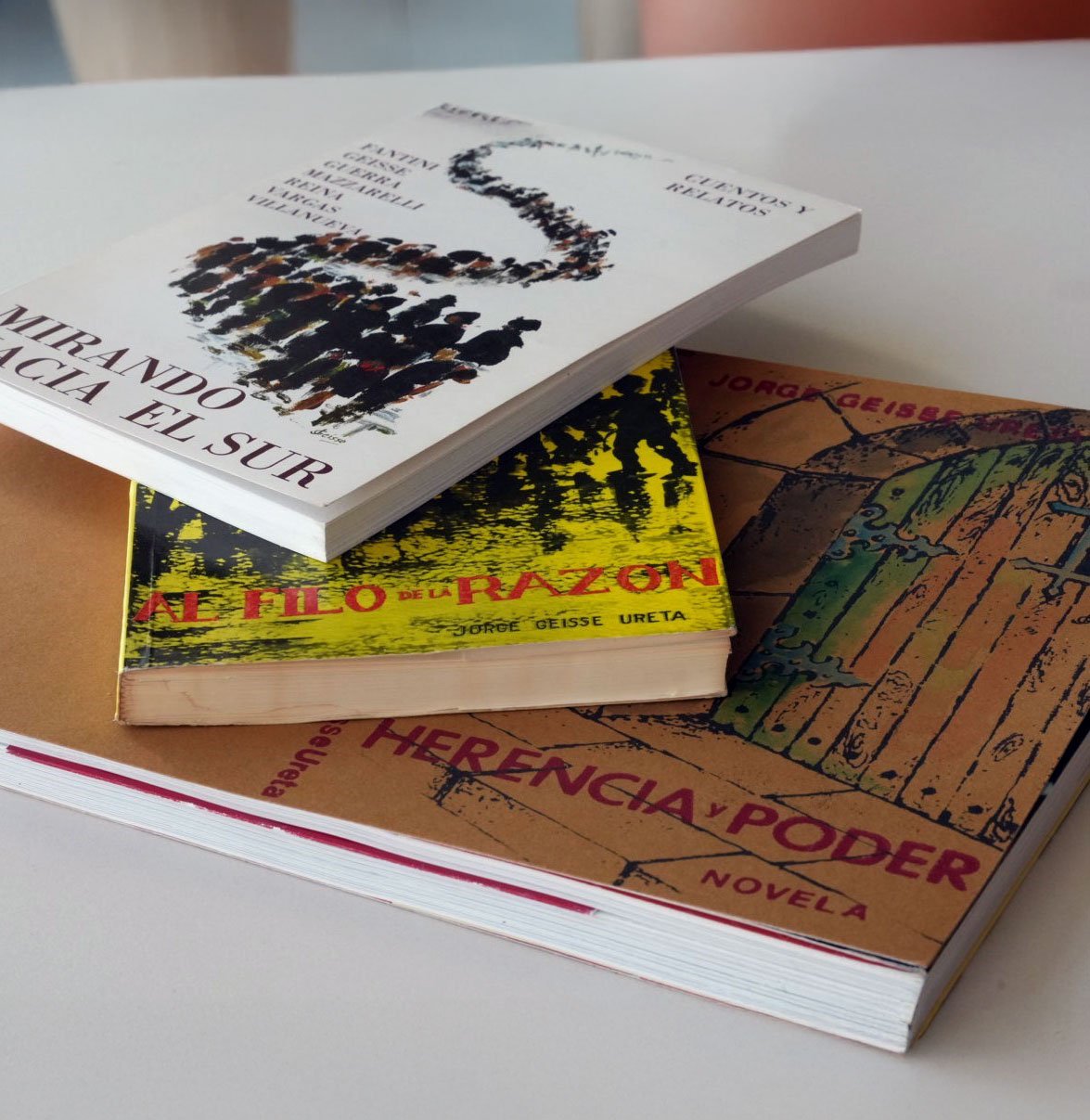
His written production was captured in several editorial projects, among which his own authored novels stand out:
- Beyond Reason (1985): A suspenseful and psychologically incisive work that invites reflection on the complexities of the human mind when faced with extraordinary circumstances. The plot follows a protagonist at a crossroads between rationality, instinct, and emotion, compelling the reader to reevaluate the limits of morality and personal conviction through a profound journey of self-reflection.
- The Inheritance of Power: A novel that continues its exploration of social tensions, moral dilemmas, and the structures of human behavior.
Likewise, his facet as a short story writer was recorded in the collective anthology Looking South (which brings together stories by Fantini, Geisse, Guerra, among others), consolidating his presence in the narrative of the era.
The Jorge Geisse Archive is located in Murrieta, CA, United States of America. Managed and represented by the Geisse Castrillón Family.
© 2026 Jorge Geisse Archive. All rights reserved. No part of this work may be reproduced without express authorization from the family.